



Are you looking to take your digital advertising to the next level in 2026? With so many platforms offering rich media solutions, it can be tricky to know which networks deliver the best results. Rich media ad networks allow you to use interactive, high-impact formats—like video, HTML5 banners, and interactive display ads—to engage users more effectively and drive better performance.
In this guide, we’ve curated the 10 Best Rich Media Ad Networks for 2026, highlighting their features, strengths, and what sets each one apart. Whether you’re an advertiser aiming for higher engagement, a publisher looking for premium inventory, or a marketer exploring new creative opportunities, this list will help you choose the networks that can maximize your impact and ROI.
What are Rich Media Ads
Rich media ads are a type of digital advertisement that goes beyond traditional static banners by incorporating interactive and dynamic elements such as videos, animations, audio, slideshows, and expandable content. These ads are designed to capture attention, encourage user interaction, and deliver more engaging experiences, making them far more effective than standard display ads. Rich media ads can appear on websites, mobile apps, or social media platforms and are highly versatile, allowing advertisers to create campaigns that are interactive, visually appealing, and optimized for multiple devices. By combining creativity with technology, rich media ads help brands increase user engagement, click-through rates, and overall campaign performance.
Types of Rich Media Ads
Rich media ads come in various forms, each offering unique features and benefits. Understanding these types can help advertisers choose the right format for their campaigns.
- Interactive Ads: These ads allow users to engage directly with the content. For example, an interactive quiz or a game can keep users entertained while promoting a brand.
- Video Ads: Combining video content with interactivity, these ads can offer clickable options within the video, allowing viewers to explore products or services while watching.
- Expandable Ads: Initially displayed as a standard banner, these ads can expand to a larger size when hovered over or clicked, revealing additional content, such as images, videos, or product information.
- Floating Ads: These ads appear on top of the content on a webpage and can move as the user scrolls. They are highly visible but can also be intrusive if not designed carefully.
- Gamified Ads: Integrating game-like elements, these ads encourage users to participate actively, fostering engagement and often leading to higher conversion rates.
Benefits of Rich Media Advertising
Rich media advertising offers several advantages that can enhance a brand’s marketing strategy:
- Higher Engagement Rates: Interactive and visually appealing ads tend to capture more attention than static ads, leading to higher engagement rates.
- Enhanced Brand Awareness: The immersive nature of rich media ads can create a lasting impression, increasing brand recognition and recall among consumers.
- Better Conversion Rates: By encouraging interaction and providing more information, rich media ads can lead to improved conversion rates, as users are more likely to take action.
- Improved User Experience: Rich media ads can provide a more enjoyable and informative experience for users, fostering a positive perception of the brand.
Best Rich Media Ad Networks in 2026
Rich media ad networks provide innovative and interactive advertising solutions that enhance user engagement through rich media formats such as video, animation, and interactive content. Here’s a list of the 10 best rich media ad networks:
- Bitmedia
- HilltopAds
- AdMaven
- Google Display Network (GDN)
- RichAds
- PropellerAds
- Innovid
- TripleLift
- PubMatic
- Verizon Media
1. Bitmedia
Overview
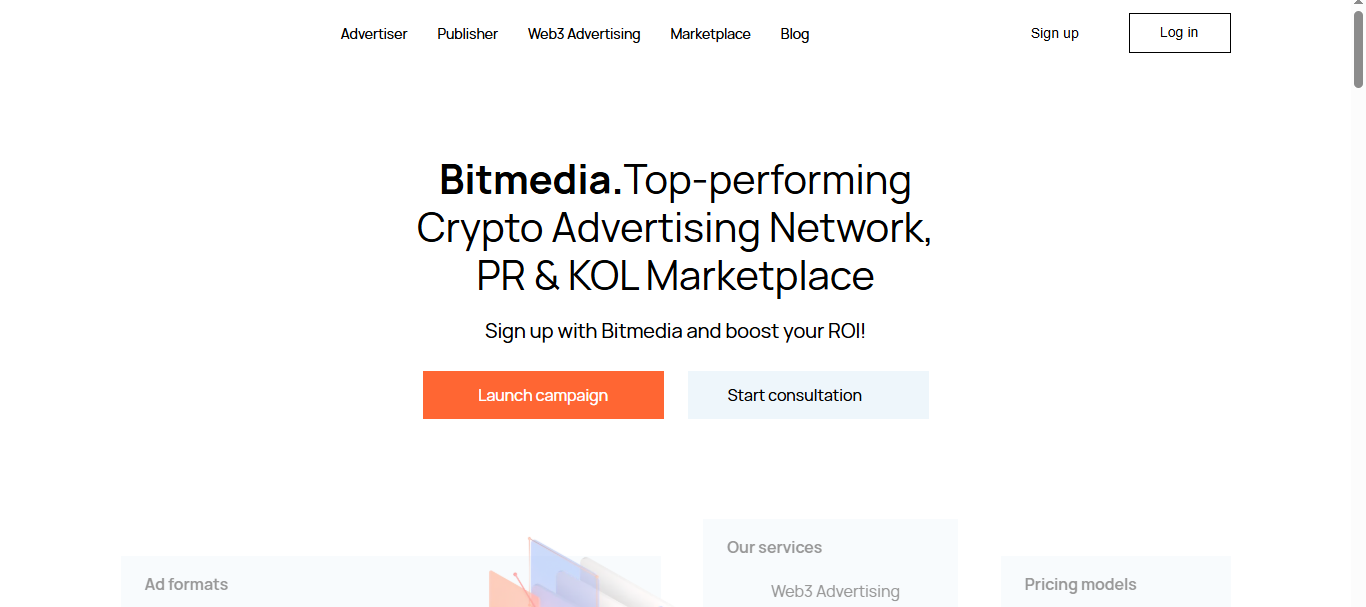
Established in 2014, Bitmedia is a premier crypto and blockchain-focused advertising network. It connects advertisers with a vast audience across over 7,000 crypto-related websites, offering tailored solutions for campaigns in Web3, DeFi, NFTs, and related sectors. With a monthly reach of over 20 million unique users, Bitmedia has become a go-to platform for targeted crypto advertising.
Key Features
- Diverse Ad Formats: Offers a range of ad types including HTML5 banners, sticky ads, native ads, and video formats, catering to various campaign needs.
- Advanced Targeting: Provides geo-targeting, device targeting, and wallet-based filters, allowing advertisers to reach specific crypto audiences effectively.
- Flexible Pricing Models: Supports both Cost Per Click (CPC) and Cost Per Mille (CPM) models, offering flexibility to suit different campaign objectives and budgets.
- Real-Time Analytics: Equipped with comprehensive tracking tools to monitor impressions, clicks, and conversions, enabling data-driven campaign optimization.
- Instant Payments: Offers daily Bitcoin payouts to publishers, ensuring timely compensation for their contributions.
Pros
- High-Quality Traffic: Targets a niche audience within the crypto space, leading to more engaged users and potentially higher conversion rates.
- Comprehensive Marketing Solutions: Beyond display ads, Bitmedia provides services like influencer marketing and PR, offering a holistic approach to crypto marketing.
- Robust Anti-Fraud Measures: Employs advanced fraud detection systems to ensure the integrity of ad traffic and protect advertisers’ investments.
- User-Friendly Interface: Features an intuitive dashboard that simplifies campaign setup, monitoring, and optimization for both advertisers and publishers.
Cons
- Limited Niche Focus: Primarily caters to the crypto, Web3, and blockchain sectors, which may not be suitable for advertisers outside these niches.
- Approval Process for Publishers: Not all websites are accepted; only crypto-related and popular sites are approved, which may limit opportunities for some publishers.
- Ad Review Time: The platform’s 24-hour ad review process could delay campaign launches, potentially impacting time-sensitive promotions.
Final Verdict
Bitmedia stands out as a specialized and effective advertising network for crypto and blockchain projects. Its targeted audience, diverse ad formats, and comprehensive marketing solutions make it a valuable platform for advertisers within these niches. While its focus on the crypto sector may limit its applicability for non-crypto advertisers, those within the space will find Bitmedia to be a robust and reliable partner for their advertising needs.
2. HilltopAds
Overview
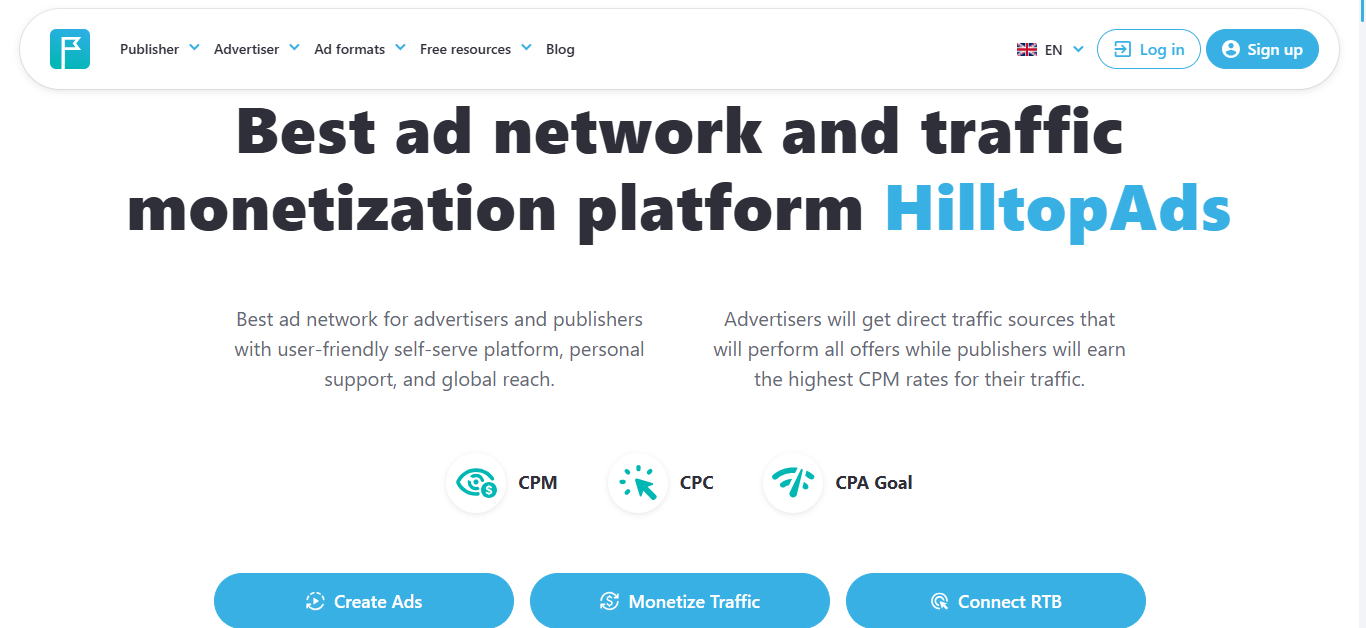
HilltopAds is a global advertising network established in 2013, specializing in high-quality pop-under, in-page, and video ad formats. With over 273 billion monthly impressions across 250+ countries, it serves both advertisers and publishers through a user-friendly self-serve platform and personalized support. The network is particularly favored for its high CPM rates, weekly payouts, and anti-AdBlock solutions, making it a strong contender in the pop-under and display ad space.
Key Features
- Ad Formats: Pop-under, in-page banners, slider video (VAST/VPAID), multi-tag banners, and direct links.
- Targeting Options: Advanced targeting including geo, device, OS, browser, language, time, and user activity levels.
- Payment Methods: Supports Bitcoin, PayPal, USDT (TRC20/ERC20), Paxum, WebMoney, Wise, and wire transfers.
- Payout Frequency: Weekly payouts with a minimum threshold of $20.
- Fraud Prevention: Built-in anti-fraud system and postback tracking for impressions and conversions.
- Support: Dedicated account managers available via email, Telegram, Skype, and live chat during business hours.
Pros
- High CPM Rates: Competitive rates, especially for mobile and adult traffic.
- User-Friendly Dashboard: Intuitive interface suitable for both beginners and experienced marketers. Global Reach: Extensive traffic from over 250 countries, ensuring diverse audience targeting.
- Comprehensive Monetization Tools: Offers anti-AdBlock solutions and postback tracking for better performance insights.
- Flexible Payment Options: Multiple payment methods and weekly payouts cater to various preferences.
Cons
- Traffic Quality Variability: Some users report inconsistent traffic quality across different geographies.
- Approval Process: New publishers may face a strict approval process, which can be a barrier for some.
- Limited Optimization Features: Compared to some competitors, HilltopAds offers fewer advanced optimization tools.
- Minimum Daily Budget: A minimum daily budget of $20 may be high for smaller advertisers.
Final Verdict
HilltopAds is a robust advertising network that offers high CPM rates, a user-friendly platform, and a variety of ad formats suitable for both advertisers and publishers. Its global reach and comprehensive monetization tools make it an attractive option for those looking to maximize their ad revenue. However, potential users should be aware of the variability in traffic quality and the strict approval process for new publishers. Overall, HilltopAds stands out as a reliable choice in the competitive ad network landscape.
3. AdMaven
Overview
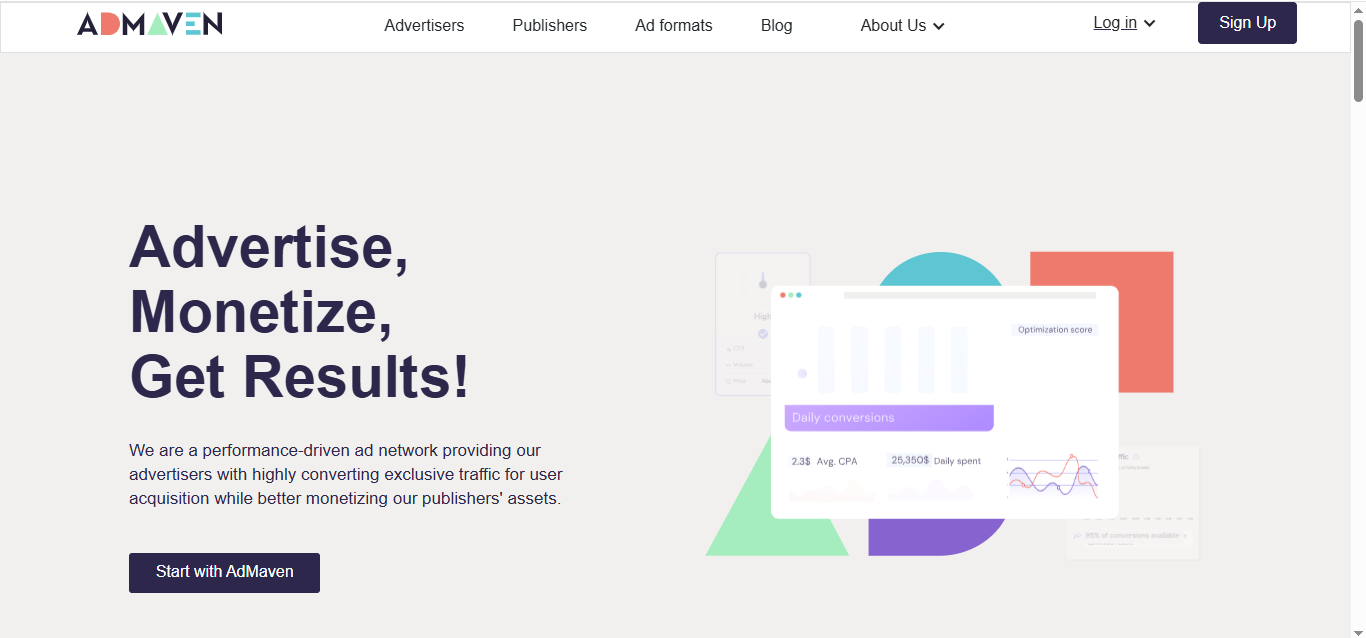
AdMaven is a performance-driven advertising network that connects advertisers with high-converting traffic and offers publishers optimized monetization solutions. Established in 2010, AdMaven has grown to become a leading ad network, delivering over 5 billion daily impressions across multiple formats. The platform caters to a diverse range of advertisers, including media buyers, affiliates, agencies, brands, and ad networks, providing them with access to a vast audience and effective advertising tools.
Key Features
- Ad Formats: AdMaven offers a variety of ad formats, including push notifications, pop-unders, interstitials, banners, content lockers, smart links, and direct links. This diverse range allows advertisers to choose the format that best suits their campaign objectives.
- Global Reach: The network boasts a global presence, delivering impressions across more than 200 countries, ensuring that advertisers can target a wide and diverse audience.
- Flexible Payment Options: AdMaven provides multiple payment methods, such as PayPal, Payoneer, bank wire transfer, Bitcoin, WebMoney, Paxum, and USDT (ERC20), catering to the preferences of different publishers.
- Payment Frequency: The platform offers flexible payment schedules, including weekly payments, allowing publishers to receive their earnings promptly.
Pros
- High CPM Rates: AdMaven offers competitive Cost Per Mille (CPM) rates, making it an attractive option for publishers looking to maximize their revenue.
- Diverse Ad Formats: The wide range of ad formats available allows advertisers to select the most effective format for their campaigns, improving engagement and conversion rates.
- Global Audience: With traffic from over 200 countries, AdMaven enables advertisers to reach a broad and diverse audience, expanding their market reach.
- Flexible Payments: The availability of multiple payment methods and flexible payment schedules ensures that publishers can receive their earnings in a manner that suits their preferences.
- Advanced Optimization Tools: The use of AI-powered optimization tools helps advertisers enhance campaign performance, leading to better results and higher ROAS.
Cons
- Approval Process: Some users have reported that the approval process for new publishers can be stringent, which may delay the start of monetization for new websites.
- Traffic Quality Variability: While AdMaven delivers a vast amount of impressions, the quality of traffic can vary, and some publishers may experience fluctuations in performance.
- Limited Reporting Features: Compared to some other ad networks, AdMaven’s reporting features may be less comprehensive, potentially limiting advertisers’ ability to analyze campaign performance in detail.
Final Verdict
AdMaven stands out as a robust and flexible advertising network that offers a wide array of ad formats, competitive CPM rates, and advanced optimization tools. Its global reach and diverse payment options make it an appealing choice for both advertisers and publishers seeking to maximize their revenue. While the approval process and traffic quality may present challenges for some, the platform’s overall performance and features position it as a strong contender in the digital advertising landscape.
4. Google Display Network (GDN)
Overview
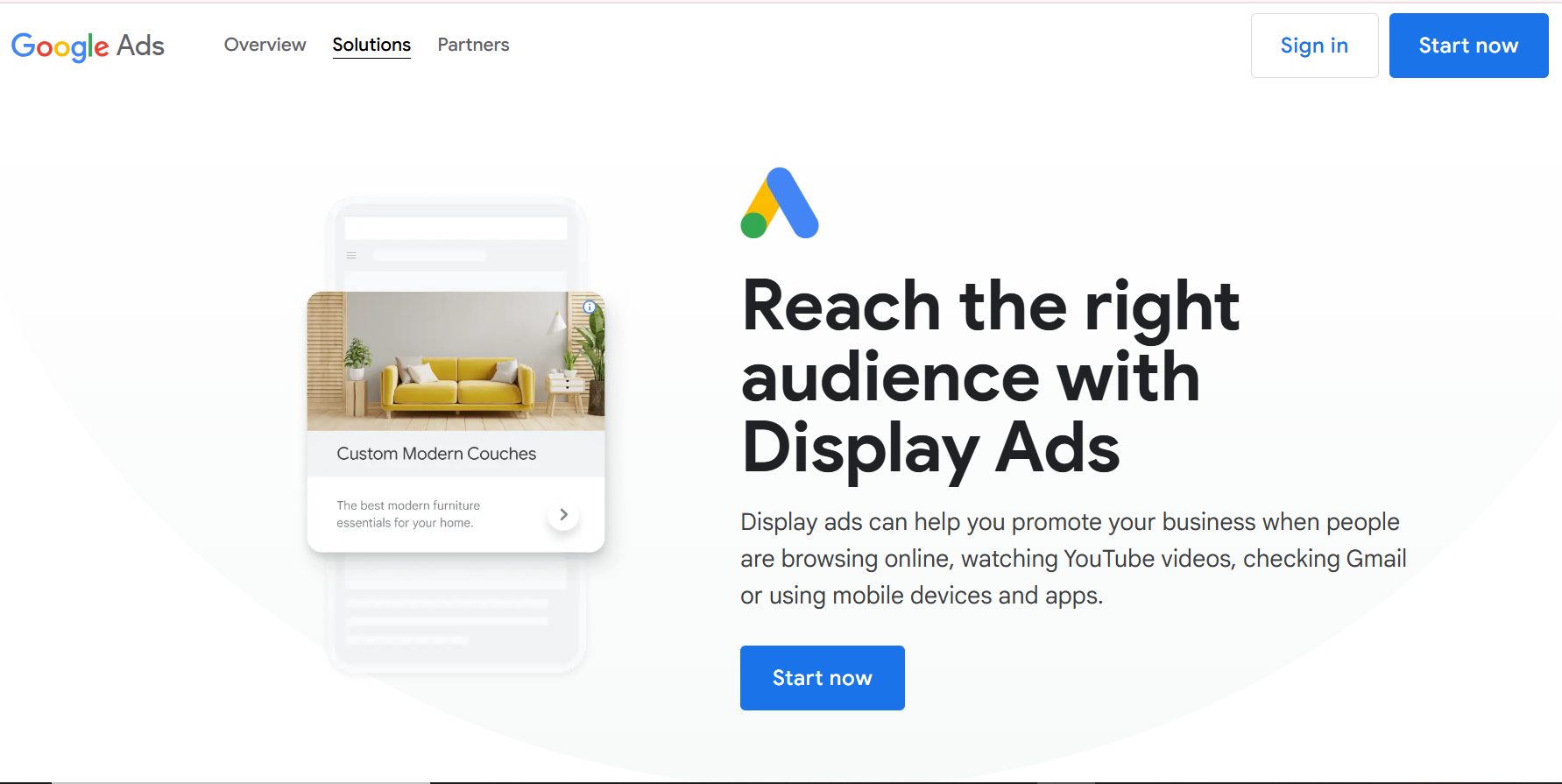
Google Display Network (GDN) is one of the largest and most widely used digital advertising networks in the world. Launched by Google, it enables advertisers to reach users across millions of websites, apps, and YouTube channels. GDN supports a wide range of ad formats including static banners, responsive display ads, rich media, and video ads, making it suitable for advertisers looking to increase brand awareness, drive website traffic, or retarget audiences effectively. With its massive reach and integration with Google Ads, GDN allows advertisers to leverage Google’s targeting capabilities and extensive analytics for precise campaign optimization.
Key Features
- Ad Formats: Supports static banners, responsive display ads, HTML5 rich media, and video ads, including YouTube integrations.
- Advanced Targeting: Includes options like demographics, interests, in-market audiences, affinity audiences, contextual targeting, remarketing, and geo-targeting.
- Automated Bidding & Smart Campaigns: Uses Google’s machine learning to optimize bids and placements for maximum ROI.
- Integration with Google Ads: Seamless campaign management alongside Search, Shopping, and YouTube campaigns.
- Performance Tracking: Detailed reporting through Google Ads and Google Analytics, including impressions, clicks, conversions, and view-through metrics.
- Cross-Device Reach: Ensures ads are displayed on desktops, mobile devices, and tablets with responsive formats.
Pros
- Massive Reach: Access to over 2 million websites and apps globally, covering a wide variety of audiences.
- Precise Targeting: Powerful audience targeting options allow advertisers to reach relevant users efficiently.
- Flexible Ad Formats: Multiple creative formats, including interactive and rich media options, increase engagement.
- Data-Driven Optimization: Google’s machine learning optimizes placements, targeting, and bids automatically.
- Reliable & Transparent: Offers extensive reporting and fraud prevention measures, ensuring accurate ad performance tracking.
Cons
- High Competition: Due to its popularity, some placements can be expensive, especially in competitive niches.
- Learning Curve: New advertisers may find Google Ads’ interface complex without prior experience.
- Limited Control in Automated Campaigns: Smart campaigns may limit manual adjustments for advanced advertisers.
- Ad Blindness: Over time, users may develop banner blindness, reducing engagement for certain display ads.
Final Verdict
Google Display Network (GDN) remains the go-to advertising network for brands seeking large-scale reach and versatile ad formats. Its advanced targeting, cross-device capabilities, and integration with Google Ads make it highly effective for both brand awareness and performance marketing campaigns. While costs can be high in competitive sectors and there is a learning curve for beginners, GDN’s massive inventory and data-driven optimization make it an essential platform for any digital marketer.
5. RichAds
Overview
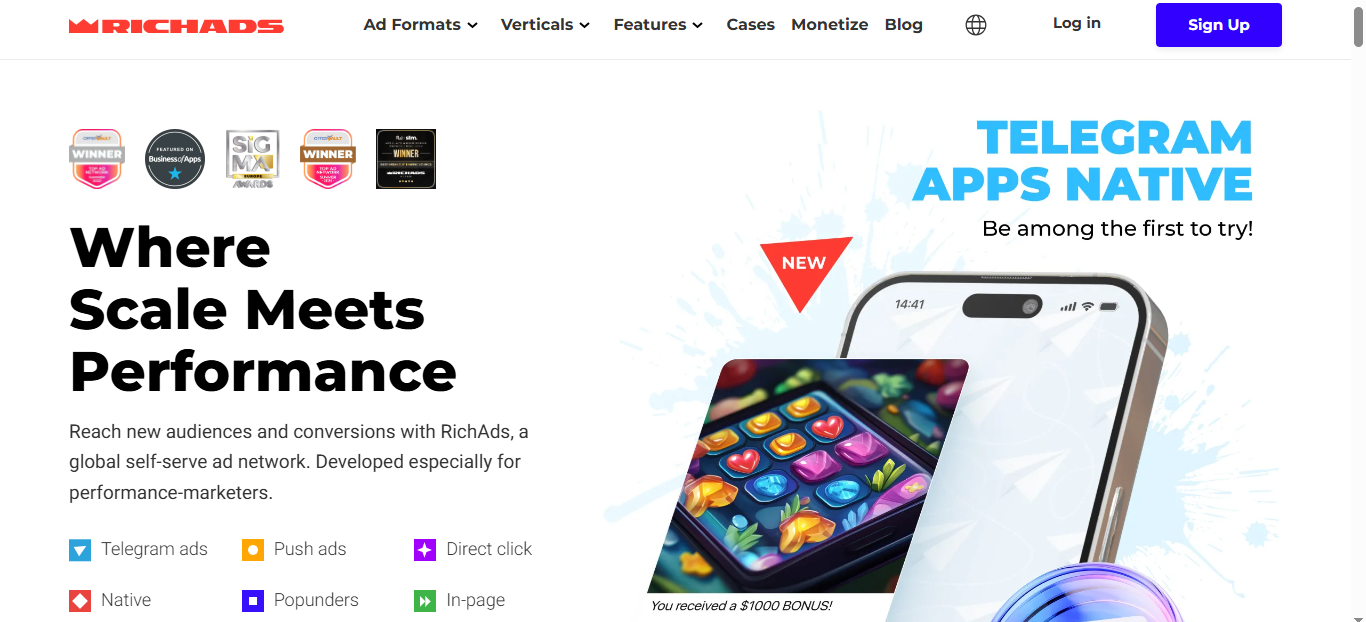
RichAds is a global self-serve advertising network that specializes in high-impact, performance-driven campaigns. Established in 2015, it focuses on CPA, CPL, and CPC models, serving both advertisers and publishers with advanced targeting and monetization tools. RichAds is known for its pop-under, push notifications, native ads, and rich media ad formats, making it a versatile platform for campaigns across multiple industries and geographies. With a focus on maximizing ROI, the network offers a mix of global reach and high-quality traffic.
Key Features
- Ad Formats: Pop-unders, push notifications, native ads, interstitials, banners, and rich media creatives.
- Advanced Targeting: Geo-targeting, device targeting, browser & OS targeting, and behavioral audience segmentation.
- Payment Options: Supports PayPal, Payoneer, Bitcoin, WebMoney, Paxum, and wire transfers for publishers.
- Payout Frequency: Weekly or monthly payouts with a minimum threshold starting at $50.
- Anti-Fraud Measures: Built-in fraud detection system to maintain traffic quality and protect advertiser budgets.
- Self-Serve Platform: Intuitive dashboard allowing advertisers to launch campaigns quickly and optimize in real-time.
Pros
- High-Quality Traffic: Offers traffic from reputable sources with targeted audience options.
- Variety of Ad Formats: Supports multiple formats, including interactive and rich media ads, improving engagement.
- Flexible Payments: Multiple payout options make it convenient for publishers globally.
- User-Friendly Dashboard: Easy-to-use interface simplifies campaign creation and optimization.
- Fraud Protection: Reliable anti-fraud tools help advertisers reduce wasted spend.
Cons
- Limited Brand Awareness: Not as widely recognized as Google Display Network, which may affect advertiser trust initially.
- Higher Minimum Payout for Some Methods: Certain payout methods require a higher threshold, which may be inconvenient for smaller publishers.
- Traffic Volume Variability: Some geographies may experience inconsistent traffic volumes or lower fill rates.
Final Verdict
RichAds is a versatile and performance-oriented advertising network suitable for advertisers seeking high-quality traffic and rich media ad formats. Its self-serve platform, flexible targeting, and variety of ad formats make it a strong choice for both small and medium campaigns. While it may not have the global recognition of Google Display Network, RichAds delivers reliable performance and engagement for advertisers looking for cost-effective and targeted campaigns.
6. PropellerAds
Overview
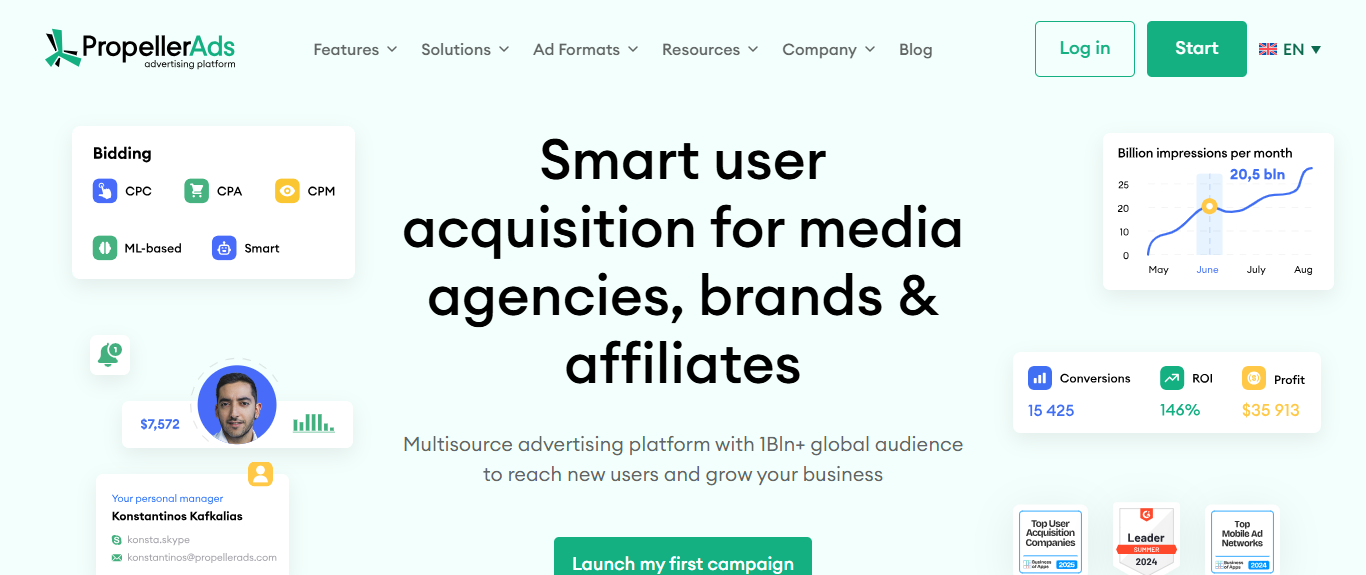
PropellerAds is a global advertising network established in 2011, specializing in push notifications, pop-unders, native ads, and interstitials. The platform serves both advertisers and publishers, offering high-quality traffic from over 195 countries. PropellerAds is known for its self-serve platform, real-time analytics, and smart targeting options, making it a popular choice for performance-driven campaigns. Its versatility across desktop and mobile devices allows advertisers to run campaigns effectively across multiple channels.
Key Features
- Ad Formats: Push notifications, pop-unders, interstitials, native ads, and banners.
- Advanced Targeting: Geo-targeting, device targeting, browser & OS targeting, language, and behavioral targeting.
- Payment Options: Supports PayPal, Payoneer, wire transfer, and ePayments for publishers.
- Payout Frequency: Net-15, Net-30, or weekly payouts depending on account type.
- Fraud Prevention: Built-in anti-fraud system ensures traffic quality and protects advertiser budgets.
- Self-Serve Platform: Easy-to-use dashboard for campaign creation, monitoring, and optimization in real-time.
Pros
- Global Reach: Traffic from over 195 countries ensures access to a wide audience.
- Multiple Ad Formats: Supports a variety of interactive and rich media ads for high engagement.
- Flexible Payments: Multiple payout options and reliable payment schedules for publishers.
- User-Friendly Interface: Self-serve platform is intuitive for both beginners and advanced advertisers.
- Performance Tracking: Real-time reporting helps optimize campaigns and improve ROI.
Cons
- Traffic Quality Variability: Traffic quality may vary depending on region and ad format.
- Competitive Market: Popular formats like push notifications may have higher CPMs in competitive niches.
- Limited Support for Beginners: Some new users may find the setup process slightly complex without prior experience.
Final Verdict
PropellerAds is a reliable and versatile ad network offering high-quality traffic, multiple ad formats, and robust targeting options. Its global reach, self-serve platform, and real-time analytics make it a strong choice for advertisers looking for performance-driven campaigns. While traffic quality can vary and competition is high in certain formats, PropellerAds remains a top contender for both publishers and advertisers in the rich media advertising space.
7. Innovid
Overview
Innovid is an independent, omnichannel advertising technology platform that empowers marketers to create, deliver, measure, and optimize ad experiences across digital, connected TV (CTV), linear TV, and social channels. Established in 2007 and headquartered in New York, Innovid serves a global client base of brands, agencies, and publishers. Recently, Innovid merged with Flashtalking, enhancing its capabilities in ad serving, creative personalization, and measurement.
Key Features
- Ad Formats: Supports interactive video ads, dynamic creative optimization, and cross-channel ad delivery.
- Omnichannel Reach: Delivers ads across digital, CTV, linear TV, and social platforms.
- Measurement & Analytics: Provides MRC-accredited metrics, reach & frequency analysis, and outcome tracking.
- Creative Optimization: Offers A/B testing, creative element optimization, and supply path management.
- Integration with Mediaocean: Seamlessly integrates with Mediaocean for omnichannel planning, buying, and billing.
Pros
- Comprehensive Platform: Unified solution for ad creation, delivery, measurement, and optimization.
- Advanced Targeting: Leverages data-driven insights for precise audience targeting.
- Cross-Platform Compatibility: Ensures consistent ad experiences across various devices and platforms.
- Transparency: Provides clear reporting and analytics to measure campaign effectiveness.
- Industry Recognition: Awarded for innovative TV advertising technology.
Cons
- Complexity for Beginners: May have a learning curve for new users unfamiliar with advanced ad tech platforms.
- Integration Challenges: Potential complexities when integrating with existing systems or platforms.
- Cost Considerations: Premium services may come with higher costs, which could be a factor for smaller advertisers.
Final Verdict
Innovid stands out as a robust and versatile advertising technology platform, particularly well-suited for advertisers seeking to deliver personalized and measurable ad experiences across multiple channels. Its comprehensive suite of tools and industry recognition make it a valuable asset for brands aiming to enhance their advertising strategies in the evolving digital landscape.
8. TripleLift
Overview
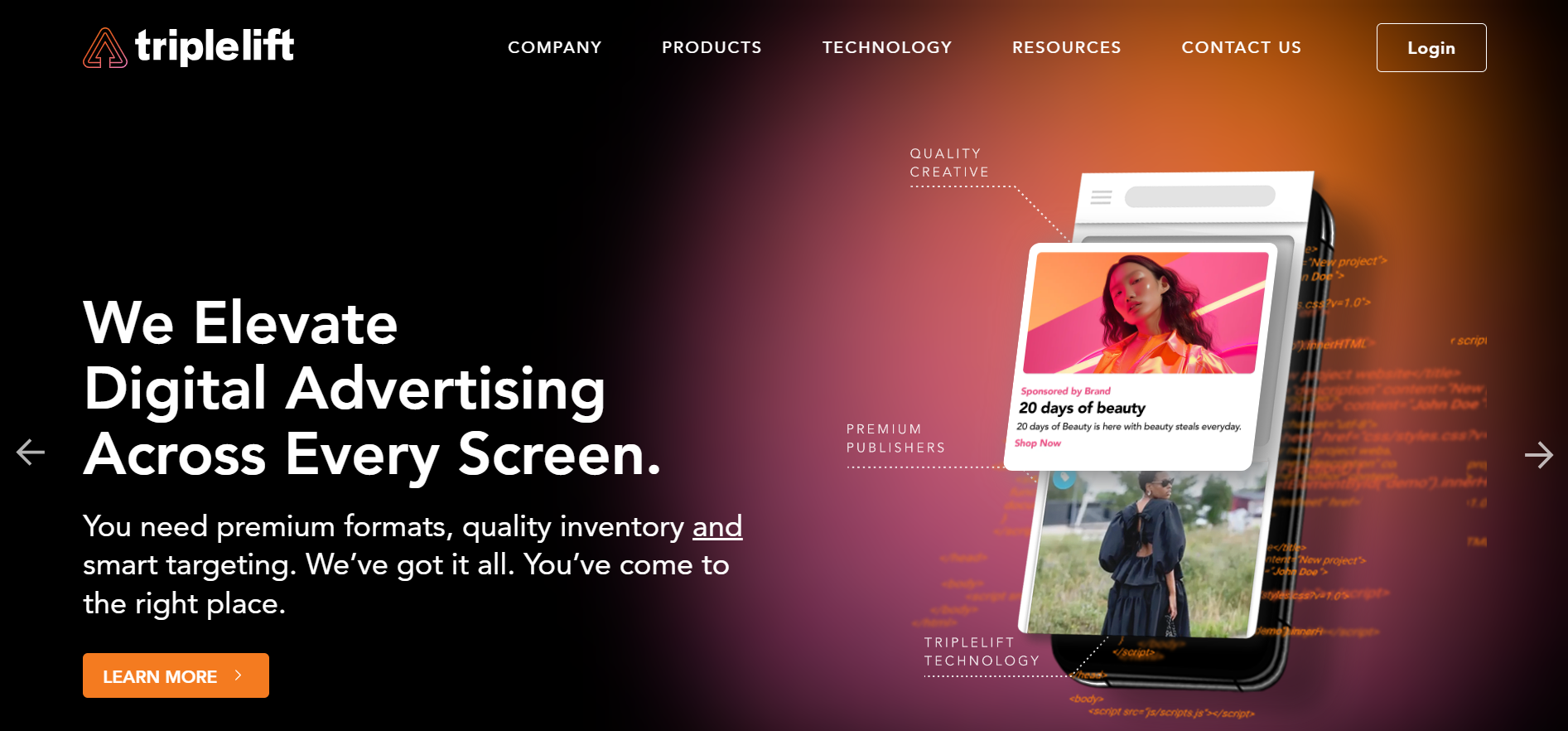
TripleLift is a leading Creative Supply-Side Platform (SSP) that specializes in programmatic native advertising. Founded in 2012, TripleLift has pioneered the integration of creative technology with real-time bidding, enabling advertisers to deliver visually engaging and contextually relevant ads across digital, connected TV (CTV), and retail media environments. The platform is designed to seamlessly blend advertisements with content, enhancing user experience and driving higher engagement rates.
Key Features
- Native Advertising: Offers in-feed, content-aligned ad placements that match the look and feel of the surrounding content, leading to improved user engagement.
- Programmatic Real-Time Bidding (RTB): Utilizes advanced algorithms to facilitate automated ad buying, ensuring optimal placement and pricing.
- Dynamic Creative Optimization (DCO): Customizes ad creatives in real-time based on user data, enhancing relevance and performance.
- Cross-Platform Reach: Supports ad delivery across desktop, mobile, tablet, and CTV devices, ensuring consistent messaging across all touchpoints.
- Retail Media Solutions: Provides tools for advertisers to extend their reach beyond walled gardens and engage consumers across the open web.
- Data-Driven Targeting: Leverages first-party and third-party data to create over 2,000 customizable audience segments, allowing for precise targeting without reliance on third-party cookies.
Pros
- High Engagement Rates: Native ad formats often result in higher click-through rates compared to traditional display ads.
- Seamless User Experience: Ads are designed to blend with content, reducing ad fatigue and enhancing user interaction.
- Advanced Targeting Capabilities: Access to a wide range of audience segments enables precise ad targeting.
- Comprehensive Analytics: Robust reporting tools provide insights into campaign performance, facilitating data-driven decision-making.
- Brand Safety: TripleLift ensures ads are displayed in premium, brand-safe environments, protecting brand reputation.
Cons
- Learning Curve: New users may find the platform’s advanced features and interface complex without prior experience.
- Cost Considerations: Premium ad placements and advanced features may come with higher costs, which could be a factor for smaller advertisers.
- Limited Control Over Creative: While DCO allows for customization, some advertisers may prefer more manual control over creative elements.
Final Verdict
TripleLift stands out as a robust and innovative platform in the realm of programmatic native advertising. Its combination of creative technology, real-time bidding, and advanced targeting capabilities makes it a valuable tool for advertisers seeking to deliver engaging and contextually relevant ads across multiple platforms. While there may be a learning curve for new users and cost considerations for smaller advertisers, the platform’s comprehensive features and performance-driven approach make it a compelling choice for brands aiming to enhance their digital advertising strategies.
9. PubMatic
Overview
PubMatic is an independent technology company that delivers real-time digital advertising on behalf of publishers. Founded in 2006 and headquartered in Redwood City, California, PubMatic operates as a sell-side platform (SSP) in the digital advertising industry, enabling publishers to manage and monetize their ad inventory effectively. The company maximizes customer value by delivering digital advertising’s supply chain of the future, empowering the world’s leading digital content creators across the open internet to control access to their inventory and increase monetization by enabling marketers to drive return on investment and reach addressable audiences across ad formats and devices.
Key Features
- AI-Powered Publisher Platform: In September 2025, PubMatic unveiled an AI-powered publisher platform designed to supercharge ad revenue in the $770 billion global digital ad market. The platform delivers three revolutionary capabilities: PubMatic Assistant-Powered Deal Management, which integrates PubMatic’s AI large language model (LLM) informed by insights from 842 billion daily ad transactions, allowing natural language interactions for precise programmatic actions.
- Comprehensive Ad Format Support: PubMatic supports a wide range of ad formats, including display, video, mobile, and connected TV (CTV), providing publishers with the flexibility to monetize their inventory across various channels.
- Global Reach and Scalability: With a robust infrastructure, PubMatic processes trillions of ad impressions daily, ensuring scalability and reliability for publishers worldwide.
- Transparency and Control: PubMatic offers publishers granular control over brand safety parameters and transparent reporting, enabling them to optimize yield and maintain control over their ad inventory.
Pros
- Advanced AI Capabilities: The AI-powered platform enhances deal management and optimization, providing publishers with advanced tools to maximize ad revenue.
- Diverse Monetization Options: Support for multiple ad formats allows publishers to diversify their revenue streams and cater to different audience segments.
- Robust Infrastructure: PubMatic’s infrastructure supports strong gross margins and profitability, with growth expected in CTV and commerce media.
- Strategic Partnerships: Collaborations with major players like Instacart and Cedara enable PubMatic to offer targeted ad solutions and advance sustainable advertising across omnichannel campaigns.
Cons
- Dependence on DSP Partnerships: Changes implemented by major demand-side platform (DSP) partners can impact revenue expectations, as seen in recent challenges with a major DSP partner in July 2025.
- Market Competition: The programmatic advertising space is highly competitive, with numerous SSPs vying for publisher and advertiser attention.
Final Verdict
PubMatic stands out as a robust and innovative platform in the programmatic advertising landscape. Its AI-powered publisher platform, diverse monetization options, and strategic partnerships position it as a valuable partner for publishers seeking to optimize their ad revenue. While challenges related to DSP partnerships and market competition exist, PubMatic’s commitment to transparency, control, and scalability makes it a compelling choice for publishers aiming to navigate the evolving digital advertising ecosystem.
10. Verizon Media
Overview
Verizon Media is a prominent digital advertising and media platform, offering a suite of tools and services designed to help advertisers reach their target audiences effectively. In 2026, Verizon Media continues to leverage its extensive network and advanced technologies to provide innovative advertising solutions across various channels, including display, video, native, and mobile advertising. The platform is known for its robust targeting capabilities, data-driven insights, and commitment to delivering high-quality user experiences.
Key Features
- Comprehensive Ad Formats: Verizon Media supports a wide range of ad formats, including display, video, native, and mobile ads, allowing advertisers to choose the most suitable format for their campaigns.
- Advanced Targeting Capabilities: The platform offers sophisticated targeting options based on demographics, interests, behaviors, and location, enabling advertisers to reach their desired audience effectively.
- Data-Driven Insights: Verizon Media provides detailed analytics and reporting tools, helping advertisers measure campaign performance and optimize their strategies in real-time.
- Brand Safety Measures: The platform implements stringent brand safety protocols to ensure that ads appear in appropriate and contextually relevant environments.
- Cross-Platform Reach: Verizon Media enables advertisers to deliver their messages across multiple devices and platforms, ensuring consistent and cohesive brand experiences.
Pros
- Diverse Ad Formats: The availability of various ad formats allows advertisers to tailor their campaigns to different audience preferences and behaviors.
- Robust Targeting Options: Advanced targeting capabilities enhance the precision of ad delivery, improving engagement and conversion rates.
- Comprehensive Analytics: Detailed insights into campaign performance facilitate data-driven decision-making and continuous optimization.
- Strong Brand Safety: Implementing rigorous brand safety measures protects advertisers’ reputations and ensures ads are displayed in suitable contexts.
- Extensive Reach: Verizon Media’s broad cross-platform reach helps advertisers connect with a wide and diverse audience.
Cons
- Complex Platform Interface: New users may find the platform’s interface complex and may require a learning curve to navigate effectively.
- Cost Considerations: Premium features and advanced targeting options may come at a higher cost, which could be a factor for smaller advertisers.
- Dependence on Data Privacy Regulations: Changes in data privacy laws and regulations may impact the platform’s targeting capabilities and data collection practices.
Final Verdict
Verizon Media remains a formidable player in the digital advertising landscape in 2026. With its diverse ad formats, advanced targeting capabilities, and robust analytics tools, the platform offers advertisers the tools they need to execute effective and efficient campaigns. While there may be a learning curve for new users and cost considerations for premium features, the platform’s comprehensive offerings and commitment to brand safety make it a valuable choice for advertisers seeking to enhance their digital advertising strategies.
Conclusion
Choosing the right rich media ad network can make a significant difference in your advertising success in 2026. Networks like Bitmedia, HilltopAds, and AdMaven offer high-quality traffic and innovative ad formats, while platforms such as Google Display Network, RichAds, PropellerAds, AdColony, Innovid, TripleLift, PubMatic, and Verizon Media provide advanced targeting, cross-platform reach, and performance-driven solutions.
Whether you’re a publisher looking to maximize revenue or an advertiser aiming to increase engagement and conversions, this curated list of top networks provides reliable options to suit various campaign goals and budgets. By leveraging the right network and ad formats, you can create more engaging, interactive, and effective advertising experiences for your audience in 2026.
Frequently Asked Questions (FAQs)
What is a rich media ad?
A rich media ad is an interactive online advertisement that incorporates multimedia elements like video, audio, animations, or interactive features, allowing users to engage with the content directly.
How do rich media ads differ from standard display ads?
Unlike standard display ads, which are usually static images or banners, rich media ads allow for user interaction and often include engaging multimedia elements. This makes them more dynamic and attention-grabbing.
What are the costs associated with rich media advertising?
Costs vary depending on the ad’s complexity, the ad network, and the campaign’s reach. Generally, rich media ads are more expensive to create and run than standard display ads due to their interactive and multimedia elements.
How can I track the performance of rich media ads?
Performance is tracked through analytics tools that measure user engagement, such as click-through rates (CTR), interaction rates, conversions, and time spent on the ad. Many ad networks provide built-in reporting dashboards.
What tools are available for creating rich media ads?
Popular tools for creating rich media ads include Adobe Animate, Google Web Designer, and various ad network platforms with built-in creative tools. These allow for designing interactive, engaging, and responsive ads.
Can small businesses benefit from rich media advertising?
Yes, small businesses can leverage rich media advertising to enhance their visibility and engagement, often using targeted campaigns to reach specific audiences effectively.
What are the best practices for designing rich media ads?
Yes! Small businesses can use rich media ads to boost visibility and engagement. By targeting specific audiences, even smaller campaigns can achieve meaningful results with higher user interaction.