




Are you looking to scale your campaigns with the Best Programmatic Advertising Platforms in 2026?
With so many networks competing for attention, it can feel overwhelming to figure out which ones truly deliver performance and value. Programmatic advertising platforms use automation, data, and AI-driven bidding to help advertisers reach the right audience at the right time—making them a must-have tool for brands, marketers, and publishers.
In this guide, we’ve ranked the 15 Best Programmatic Advertising Platforms you should consider this year, highlighting their features, benefits, and what makes each one stand out.
Whether you’re an advertiser looking for advanced targeting, a publisher seeking higher revenue, or a business aiming to maximize ROI, this list will help you choose the right platform to achieve your goals.
What Are Programmatic Advertising Platforms?
Programmatic advertising platforms are tools that automate the buying and selling of digital ad space. Unlike traditional methods that required manual negotiations, programmatic platforms use data, AI, and real-time bidding to make the process faster, more efficient, and cost-effective.
Over time, programmatic advertising has expanded to cover multiple ad formats—such as display, video, native, audio, and connected TV—helping advertisers reach their target audiences across different channels. These platforms also help publishers maximize revenue while reducing wasted impressions.
By leveraging features like audience targeting, native ads, and fraud protection, programmatic advertising platforms not only improve campaign performance but also overcome challenges like ad blockers, making them essential for modern digital marketing.
Why Programmatic Advertising Platforms?
Programmatic advertising platforms are now the backbone of modern digital marketing because they make ad buying smarter, faster, and more effective. Instead of relying on manual negotiations and guesswork, these platforms use automation, AI, and real-time data to place ads where they are most likely to perform. For advertisers, this means better targeting to reach the right audience at the right moment, cost efficiency by reducing wasted ad spend through smarter bidding, multi-channel reach to run campaigns across display, video, native, CTV, audio, and more, and scalability to manage thousands of ad impressions in real time with minimal effort.
For publishers, programmatic platforms offer higher revenue potential by maximizing fill rates and CPMs, access to premium advertisers through global demand sources, and automation that reduces manual work while streamlining monetization. In short, programmatic advertising platforms simplify digital advertising while boosting ROI, making them essential for both advertisers and publishers in 2026.
How Do Programmatic Advertising Platforms Work?
Programmatic advertising platforms connect publishers who have ad space (called ad inventory) with advertisers who want to promote their products or services. The process happens in real time, using data and automation to ensure ads reach the right audience. Here’s how it typically works:
Advertiser’s Approach
An advertiser sets up a campaign using a DSP (Demand-Side Platform) or through a programmatic ad agency. The DSP allows them to buy inventory across multiple publishers automatically.
Data Targeting
The DSP works with a DMP (Data Management Platform) to use audience insights like demographics, interests, location, and browsing behavior. This ensures ads are shown to the most relevant people.
SSP Involvement
When a user visits a publisher’s website or app, the publisher’s SSP (Supply-Side Platform) sends an ad request to multiple DSPs, offering up the available ad space.
Auction and Placement
A real-time auction takes place. The DSPs bid for the impression, and the highest bidder wins. Instantly, the winning ad is displayed to the user.
Choosing the Best Programmatic Advertising Platform
When selecting the best programmatic advertising platform, consider several important factors:
- Revenue Potential: Look for platforms that offer competitive CPMs and fill rates to maximize earnings.
- Payment Terms: Check payout frequency, minimum thresholds, and available payment methods. Reliable terms keep cash flow steady.
- Ad Formats: Ensure the platform supports ad types that fit your site, app, or campaign—display, video, native, or CTV—without disrupting user experience.
- Platform Reputation: Research reviews, case studies, and feedback to verify reliability and transparency.
- Support & Tools: Choose a platform that provides robust analytics, optimization tools, and responsive support to help you grow revenue.
Best Programmatic Advertising Platforms of 2026
Here is the list of top Programmatic Advertising Platforms for Affiliates and Advertisers to join in 2026:
- Bitmedia
- HilltopAds
- AdMaven
- The Trade Desk
- Google Display & Video 360 (DV360)
- Xandr
- Adobe Advertising Cloud
- MediaMath
- PubMatic
- Criteo
- StackAdapt
- Simpli.fi
- Amazon DSP
- AdRoll
- Adform
1. Bitmedia
Overview
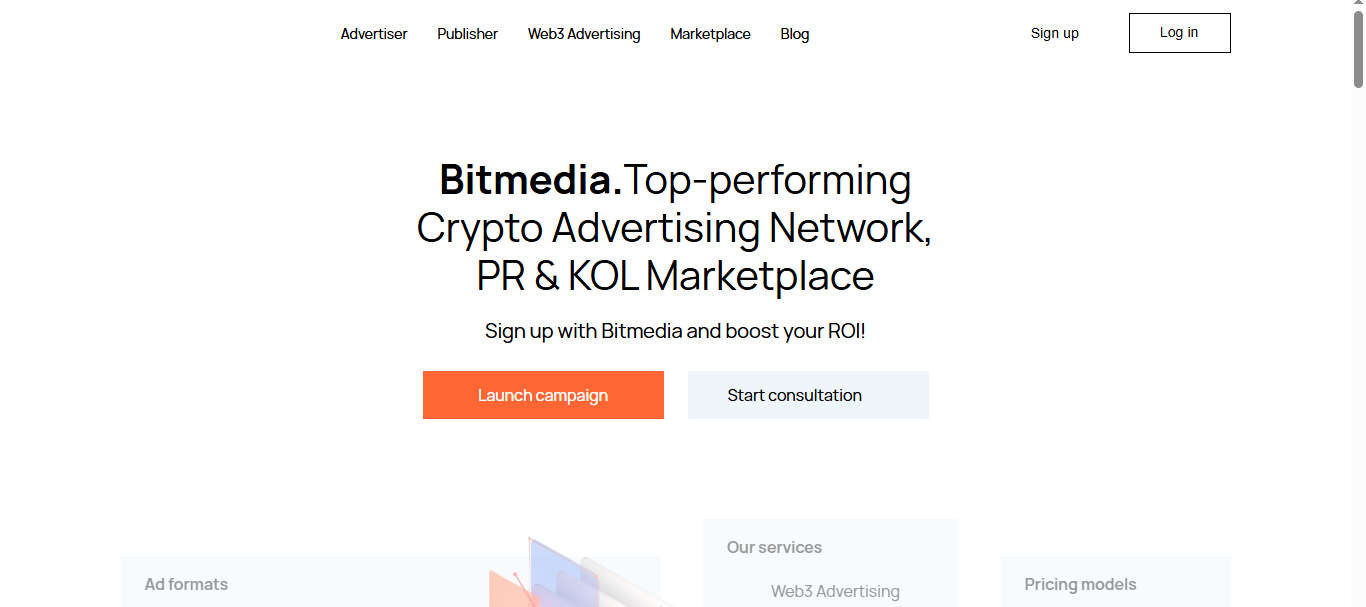
Established in 2014, Bitmedia is a leading crypto-focused advertising network that connects advertisers with a targeted audience within the cryptocurrency and blockchain sectors. With a vast network of over 7,000 crypto-related websites, Bitmedia offers a range of advertising solutions tailored to the unique needs of the crypto community. The platform supports various ad formats, including display banners, HTML5, video ads, and native ads, ensuring versatility in campaign strategies. Bitmedia’s commitment to transparency, real-time analytics, and fraud prevention makes it a trusted choice for advertisers aiming to reach crypto enthusiasts effectively.
Key Features
- Diverse Ad Formats: Offers display banners, HTML5, video, and native ads to cater to different campaign objectives.
- Advanced Targeting Options: Allows targeting based on location, device, browser, language, and user behavior, ensuring ads reach the most relevant audience.
- Real-Time Analytics: Provides comprehensive reporting tools to monitor campaign performance and optimize strategies accordingly.
- Fraud Prevention Mechanisms: Employs advanced algorithms to detect and prevent fraudulent activities, ensuring quality traffic and genuine engagements.
- Flexible Pricing Models: Supports both CPM (Cost Per Mille) and CPC (Cost Per Click) pricing, offering flexibility to advertisers.
- Bitcoin-Based Transactions: Facilitates payments and earnings in Bitcoin, aligning with the crypto-centric nature of the platform.
Pros
- Niche Audience: Access to a highly targeted audience interested in cryptocurrency and blockchain topics.
- High-Quality Traffic: Advanced targeting and fraud prevention ensure genuine user engagement.
- User-Friendly Interface: Intuitive dashboard for easy campaign management and monitoring.
- Competitive CPM Rates: Offers competitive rates, making it cost-effective for advertisers.
- Global Reach: Extensive network of publishers worldwide, enhancing ad visibility.
Cons
- Crypto-Centric: Primarily focused on cryptocurrency and blockchain-related content, limiting reach outside these niches.
- Bitcoin-Only Transactions: Exclusively supports Bitcoin for payments and earnings, which may not be convenient for all users.
- Ad Review Time: New ad submissions may take up to 24 hours for approval, potentially delaying campaign launches.
Final Verdict
Bitmedia stands out as a premier advertising platform for advertisers seeking to engage with a dedicated crypto audience. Its diverse ad formats, advanced targeting capabilities, and robust fraud prevention mechanisms make it a reliable choice for campaigns within the cryptocurrency and blockchain sectors. While its focus on crypto-related content and Bitcoin-only transactions may limit its appeal to a broader audience, for those within the crypto community, Bitmedia offers a tailored and effective advertising solution.
2. HilltopAds
Overview
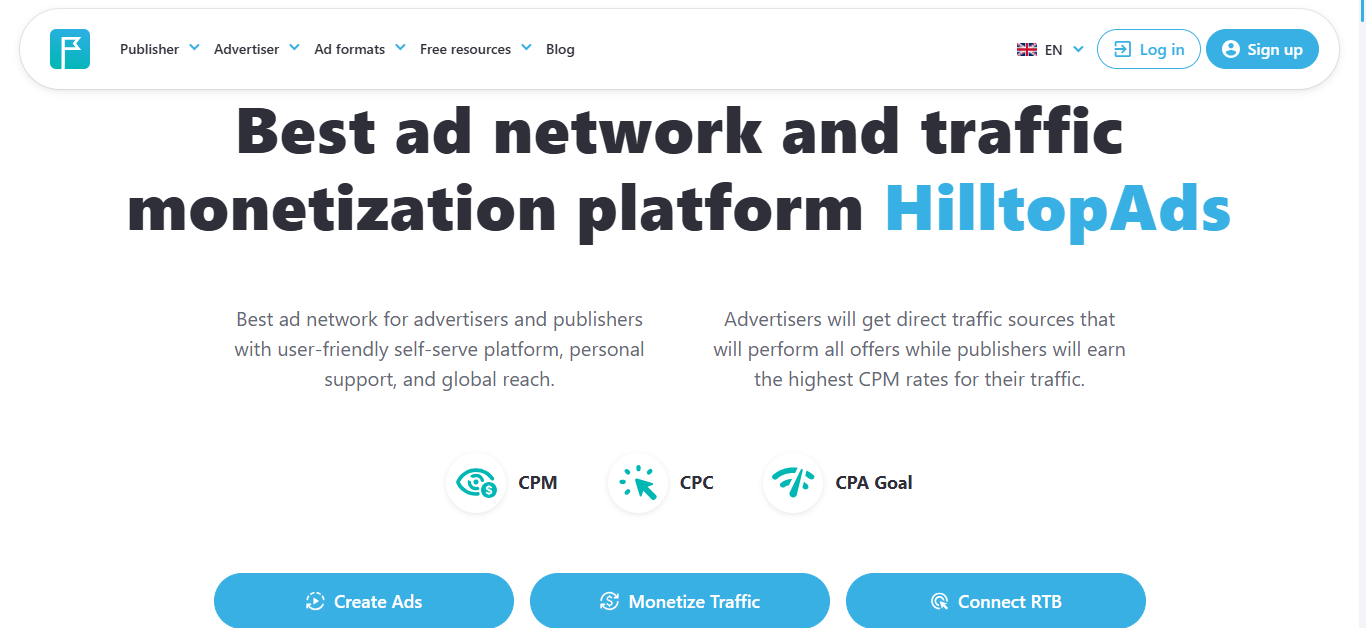
Founded in 2013, HilltopAds has established itself as a prominent ad network catering to both advertisers and publishers. With a global reach spanning over 250 countries and boasting more than 273 billion monthly impressions, HilltopAds offers a diverse range of ad formats and targeting options. The platform’s self-serve interface, coupled with advanced API tools, enables advertisers to launch and manage campaigns efficiently. Publishers benefit from high CPM rates and a 100% fill rate, ensuring consistent revenue streams. HilltopAds supports various payment methods, including Bitcoin, PayPal, and wire transfers, with a low minimum payout threshold, making it accessible for both small and large-scale operations.
Key Features
- Diverse Ad Formats: Offers popunder, in-page, video (VAST/VPAID), slider banners, and multi-tag options.
- Advanced Targeting: Provides targeting based on geo-location, device type, browser, OS, and user activity levels.
- Anti-AdBlock Technology: Ensures ad visibility even for users with ad blockers enabled.
- Real-Time Reporting: Delivers up-to-date analytics to monitor campaign performance.
- Flexible Payment Options: Supports multiple payment methods with a low minimum payout requirement.
- Referral Program: Offers a 5% commission for referring new publishers.
- API Integration: Provides advanced API tools for seamless integration and automation.
Pros
- High CPM Rates: Competitive rates, especially for traffic from Tier 1 countries.
- Global Reach: Extensive coverage across 250+ countries.
- User-Friendly Interface: Intuitive dashboard for easy campaign management.
- Weekly Payments: Ensures timely payouts with a low minimum threshold.
- Dedicated Support: Offers personal account managers for both advertisers and publishers.
Cons
- Approval Process: New publishers may face a stringent approval process.
- Traffic Quality Variability: Inconsistent traffic quality reported in certain geos.
- Limited Optimization Features: Basic optimization tools compared to some competitors.
- Daily Budget Requirement: Minimum daily budget of $20 may be high for small advertisers.
Final Verdict
HilltopAds stands out as a reliable and efficient advertising network, particularly for publishers seeking high CPM rates and advertisers aiming for global reach. Its diverse ad formats, advanced targeting options, and anti-AdBlock technology make it a versatile platform suitable for various niches. While the approval process and traffic quality may pose challenges for some, the platform’s strengths in payment flexibility, support, and user-friendly interface outweigh these drawbacks. Overall, HilltopAds is a solid choice for those looking to enhance their digital advertising efforts.
3. AdMaven
Overview
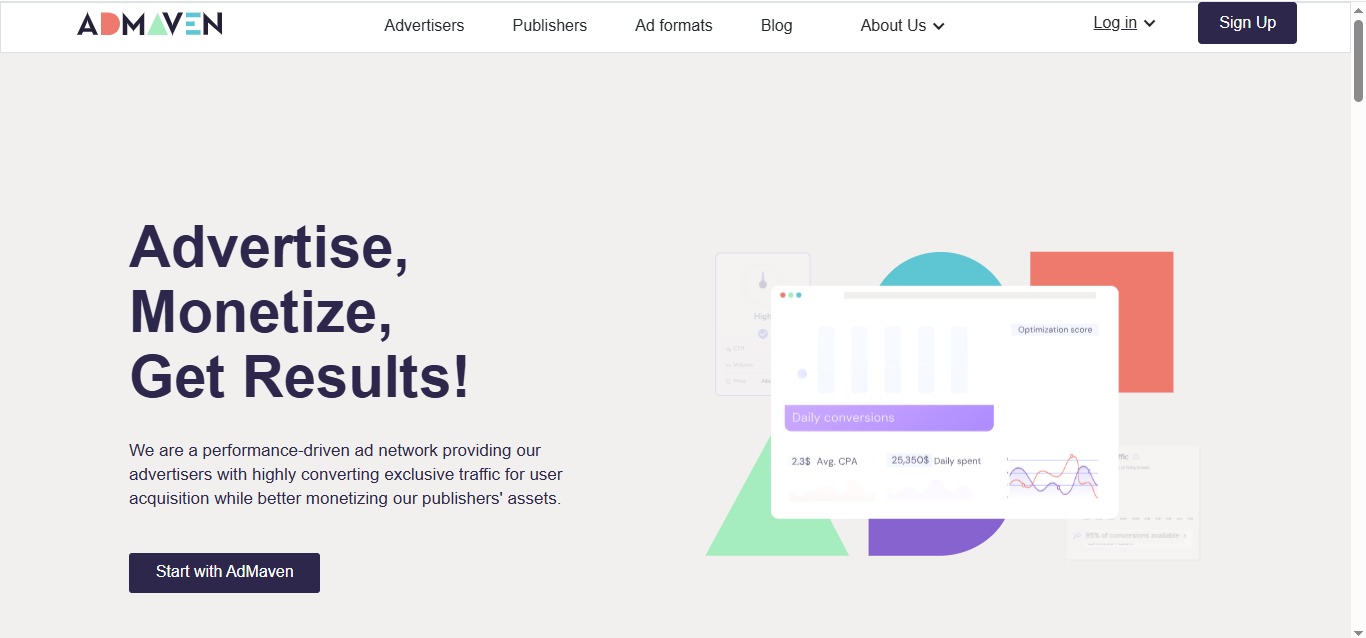
Established in 2010 and headquartered in Tel Aviv, AdMaven has emerged as a prominent advertising network specializing in high-conversion ad formats such as pop-unders, push notifications, interstitials, and native ads. Serving over 4 billion daily impressions across more than 200 countries, AdMaven caters to both publishers and advertisers seeking effective monetization and broad audience reach. The platform is particularly favored by affiliates, app developers, and website owners aiming to maximize revenue through diverse ad formats and global traffic.
Key Features
- Diverse Ad Formats: Supports pop-unders, push notifications, interstitials, content lockers, SmartLinks, and direct links.
- Anti-Adblock Technology: Utilizes advanced tools to recover revenue lost due to ad blockers.
- AI-Powered Optimization: Employs artificial intelligence to optimize campaigns for better performance.
- Global Reach: Offers traffic from over 200 countries, ensuring a wide audience base.
- Flexible Payment Options: Provides multiple payment methods including PayPal, Wire Transfer, Paxum, Payoneer, and Bitcoin, with a low minimum payout threshold.
- 24/7 Support: Offers round-the-clock live chat assistance and dedicated account managers.
Pros
- High CPM Rates: Competitive rates, especially for pop-under ads.
- Quick Approval Process: Publishers can start monetizing within 24 hours of approval.
- User-Friendly Interface: Intuitive dashboard for easy campaign management.
- Reliable Payments: Consistent and timely payouts.
- Advanced Targeting Options: Allows precise audience targeting to enhance ad relevance.
Cons
- Ad Quality Variability: Some users report that ad quality may not always meet premium standards.
- Basic Reporting Tools: Limited analytics and reporting features compared to some competitors.
- Potential Intrusiveness: Certain ad formats like pop-unders may be considered intrusive by some users.
- Approval Process for Publishers: New publishers may face a stringent approval process.
Final Verdict
AdMaven stands out as a robust advertising network, particularly for publishers and advertisers seeking high-conversion ad formats and a global audience reach. Its diverse ad offerings, coupled with advanced optimization tools and reliable support, make it a compelling choice for those looking to maximize revenue. While there are areas for improvement, such as enhancing ad quality and reporting capabilities, AdMaven remains a solid option in the programmatic advertising landscape.
4. The Trade Desk

Overview
Founded in 2009, The Trade Desk has established itself as a leading independent Demand-Side Platform (DSP) in the programmatic advertising landscape. Catering to agencies, brands, and marketers, the platform offers a robust suite of tools designed to optimize digital advertising campaigns across various channels. With a focus on transparency, data-driven insights, and advanced targeting capabilities, The Trade Desk empowers advertisers to reach their desired audiences effectively and efficiently. The platform’s commitment to innovation and customer success has garnered it a strong reputation in the industry.
Key Features
- Omnichannel Advertising: Supports a wide range of ad formats, including display, video, audio, connected TV (CTV), and native ads, enabling advertisers to execute comprehensive campaigns across multiple platforms.
- Advanced Targeting Capabilities: Utilizes data management tools and artificial intelligence to facilitate precise audience segmentation and personalized ad delivery.
- Transparency and Control: Offers full visibility into bidding processes, costs, and performance metrics, allowing advertisers to make informed decisions and optimize their strategies.
- Customizable Algorithms: Provides the ability to develop and implement custom algorithms tailored to specific campaign objectives and performance goals.
- Seamless Data Integration: Facilitates the integration of first-party and third-party data, enhancing targeting precision and campaign effectiveness.
Pros
- Comprehensive Platform: The Trade Desk’s extensive range of features and tools supports end-to-end campaign management, from planning to execution and analysis.
- High Customer Satisfaction: With a 9/10 rating on SoftwareReviews, users commend the platform’s intuitive interface, robust analytics, and customizable reporting.
- Strong Industry Reputation: Recognized as a leader in the programmatic advertising space, The Trade Desk has consistently demonstrated growth and innovation.
Cons
- Complexity for Beginners: Some users have noted that the platform’s advanced features may present a steep learning curve for newcomers to programmatic advertising.
- High Cost for Small Advertisers: The platform’s pricing structure may be more suitable for larger organizations with substantial advertising budgets, potentially making it less accessible for smaller advertisers.
Final Verdict
The Trade Desk stands out as a powerful and versatile DSP, offering a comprehensive suite of tools designed to optimize digital advertising campaigns across various channels. Its commitment to transparency, advanced targeting capabilities, and data-driven insights make it a valuable asset for advertisers seeking to enhance their campaign performance. While the platform’s complexity may pose challenges for beginners, its robust features and strong industry reputation position it as a leading choice for advertisers aiming to leverage programmatic advertising effectively.
5. Display and Video 360 by Google

Overview
Google Display & Video 360 (DV360) is a robust Demand-Side Platform (DSP) that empowers advertisers to manage and optimize digital advertising campaigns across display, video, audio, and connected TV formats. As part of the Google Marketing Platform, DV360 offers a unified environment for ad management, audience targeting, creative development, and performance measurement, enabling advertisers to execute comprehensive and data-driven campaigns. The platform integrates seamlessly with other Google solutions, providing enhanced capabilities for campaign execution and analysis.
Key Features
- Comprehensive Campaign Management: DV360 consolidates various aspects of campaign management, including creative development, audience targeting, and performance measurement, into a single platform.
- Advanced Audience Targeting: Utilizes first-party and third-party data to build precise audience segments, allowing for tailored ad delivery based on demographics, interests, and behaviors.
- Creative Development Tools: Offers in-platform tools for designing and previewing ads, facilitating efficient creative workflows and ensuring consistency across campaigns.
- Access to Premium Inventory: Provides access to a wide range of high-quality ad inventory, including Google Preferred inventory, YouTube Reserve, and TrueView ads, enabling advertisers to reach their target audiences effectively.
- Integration with Google Analytics 360: Seamlessly integrates with Google Analytics 360, allowing for comprehensive tracking and analysis of campaign performance across platforms.
Pros
- Unified Platform: DV360’s all-in-one solution streamlines campaign management, reducing the need for multiple tools and platforms.
- Robust Targeting Capabilities: The platform’s advanced audience targeting features enhance the relevance and effectiveness of ad campaigns.
- Creative Flexibility: In-platform creative tools facilitate efficient ad development and ensure consistency across campaigns.
- Access to Premium Inventory: DV360’s access to high-quality ad inventory enables advertisers to reach their desired audiences effectively.
- Seamless Integration: Integration with Google Analytics 360 provides comprehensive tracking and analysis capabilities.
Cons
- Steep Learning Curve: The platform’s comprehensive features may present a learning curve for new users or those unfamiliar with programmatic advertising.
- Complexity for Small Advertisers: The advanced features and functionalities may be more suited to larger organizations with dedicated marketing teams, potentially making it less accessible for smaller advertisers.
- Cost Considerations: DV360’s pricing structure may be higher compared to other platforms, which could be a consideration for advertisers with limited budgets.
Final Verdict
Google Display & Video 360 (DV360) stands out as a powerful and comprehensive DSP, offering a unified platform for managing and optimizing digital advertising campaigns across various formats. Its advanced audience targeting capabilities, in-platform creative tools, and access to premium inventory make it a valuable tool for advertisers aiming to execute data-driven and effective campaigns.
However, the platform’s complexity and cost considerations may make it more suitable for larger organizations with dedicated marketing teams. Advertisers should assess their specific needs and resources to determine if DV360 aligns with their programmatic advertising objectives.
6. Xandr
Overview
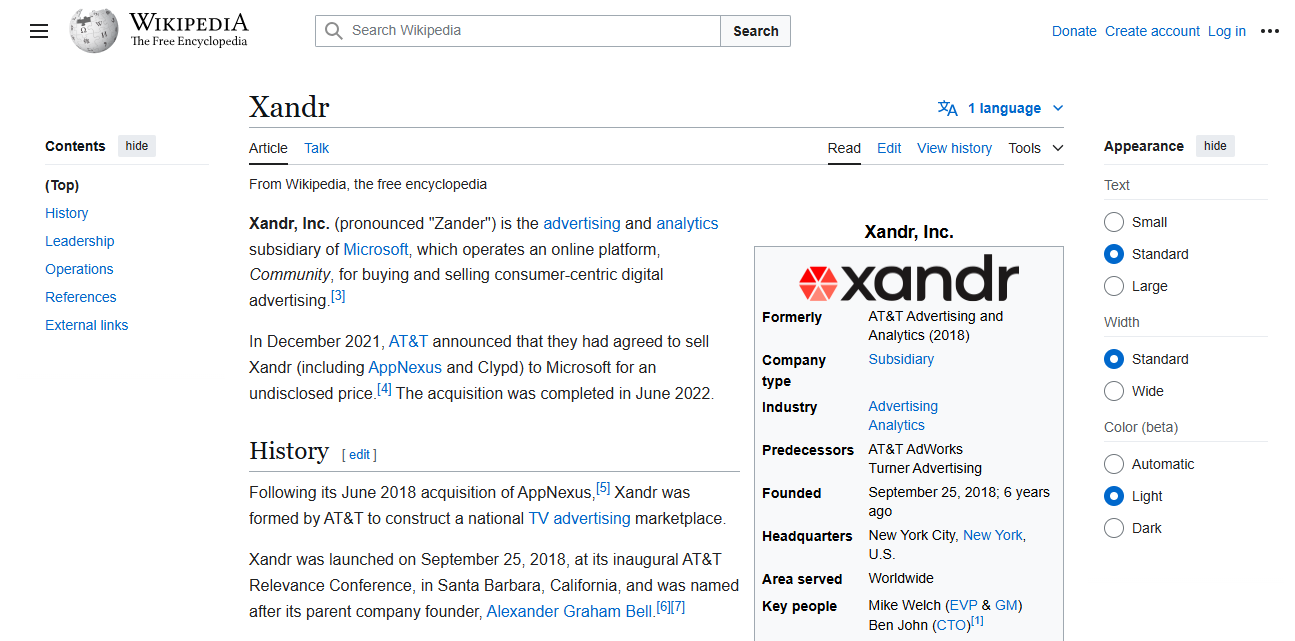
Xandr, previously known as AppNexus, is a programmatic advertising platform that offers a suite of tools for advertisers and publishers to manage and optimize digital advertising campaigns. Founded in 2007 and acquired by AT&T in 2018, Xandr was later acquired by Microsoft in 2022. The platform provides solutions for display, video, audio, and connected TV (CTV) advertising, enabling users to reach their target audiences across various channels. Xandr’s offerings include a Demand-Side Platform (DSP), Supply-Side Platform (SSP), and an Ad Exchange, facilitating efficient media buying and selling.
Key Features
- Real-Time Bidding (RTB): Xandr supports RTB, allowing advertisers to bid on ad impressions in real-time, ensuring cost-effective media buying.
- Private Marketplaces (PMPs): The platform enables the creation of PMPs, facilitating direct deals between buyers and sellers for premium inventory access.
- Cross-Channel Reach: Xandr’s platform supports campaigns across display, video, mobile, and CTV, providing omnichannel advertising capabilities.
- Advanced TV Advertising: The platform offers data-driven TV ad targeting across cable, broadcast, and streaming services, enhancing TV advertising effectiveness.
- Analytics and Attribution: Xandr provides robust measurement and attribution tools, enabling advertisers to optimize campaigns based on performance data.
Pros
- Comprehensive Ad Tech Suite: Xandr offers a full-stack solution with DSP, SSP, and Ad Exchange capabilities, streamlining the advertising process for users.
- Advanced Targeting Capabilities: The platform’s sophisticated targeting features allow advertisers to reach specific audiences effectively.
- Access to Premium Inventory: Xandr provides access to a wide range of high-quality ad inventory, including premium publishers and content providers.
- Robust Analytics Tools: The platform’s analytics and attribution tools enable advertisers to measure and optimize campaign performance effectively.
Cons
- Platform Shutdown: As of May 2025, Microsoft announced the shutdown of Xandr’s Invest DSP, signaling the end of the platform’s operations.
- Transition Challenges: The closure of Xandr may pose challenges for users transitioning to alternative platforms, requiring adjustments to existing workflows and strategies.
Final Verdict
Xandr was a comprehensive programmatic advertising platform offering a full suite of tools for advertisers and publishers. Its capabilities in real-time bidding, private marketplaces, cross-channel reach, advanced TV advertising, and analytics made it a valuable asset for digital advertising. However, with the announcement of its shutdown in 2025, users are advised to explore alternative platforms to continue their programmatic advertising efforts.
7. Adobe Advertising Cloud
Overview
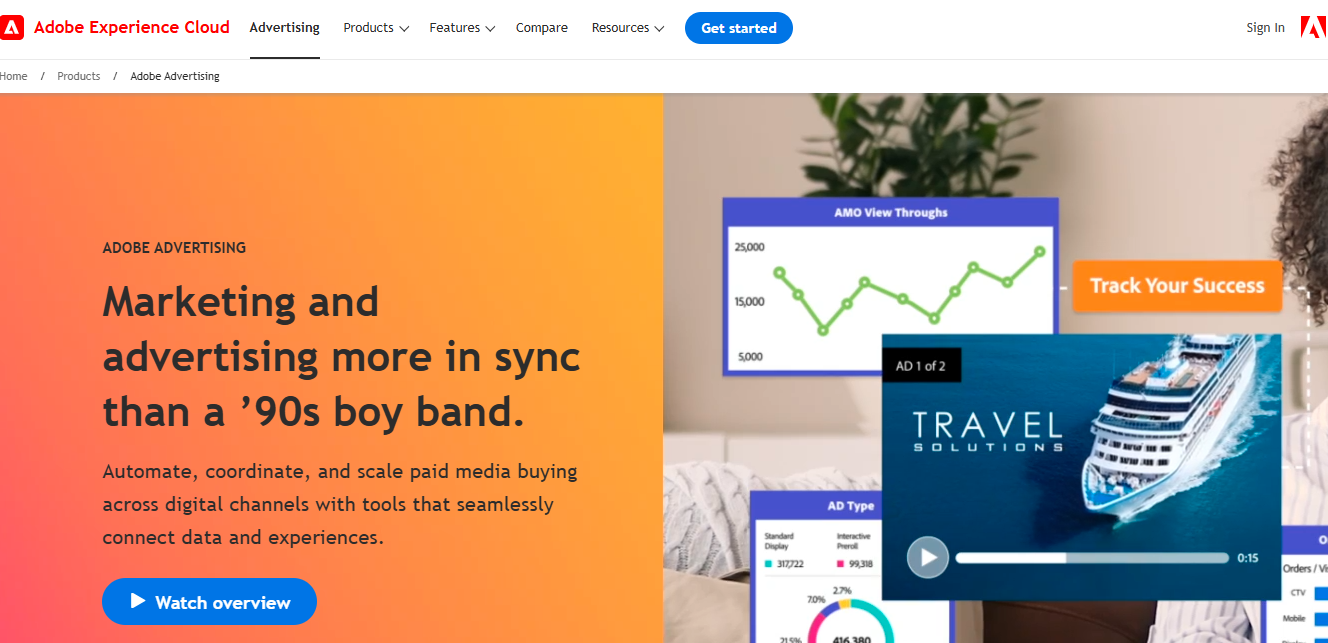
Adobe Advertising Cloud is a comprehensive demand-side platform (DSP) designed to streamline and optimize digital advertising campaigns across various channels, including display, video, audio, and connected TV (CTV). Leveraging Adobe’s robust ecosystem, the platform integrates seamlessly with tools like Adobe Analytics, Adobe Audience Manager, and Adobe Experience Platform, enabling marketers to harness first-party data for precise targeting and performance measurement. Adobe Advertising Cloud aims to provide a unified solution for planning, executing, and analyzing advertising efforts, empowering brands to deliver personalized and effective campaigns at scale.
Key Features
- Omnichannel Campaign Management: Manage and optimize campaigns across multiple channels, including display, video, audio, and CTV, from a single platform.
- AI-Powered Optimization: Utilize Adobe Sensei, Adobe’s AI and machine learning framework, to automate bid adjustments and predict performance, enhancing campaign efficiency.
- Advanced Audience Targeting: Leverage integrations with Adobe Analytics and Adobe Audience Manager to create and activate highly targeted audience segments based on rich first-party data.
- Creative Management Tools: Access tools for dynamic creative optimization, allowing for the personalization and testing of ad creatives to improve engagement and conversion rates.
- Comprehensive Reporting and Analytics: Gain insights into campaign performance through detailed reporting and analytics, enabling data-driven decision-making and continuous optimization.
Pros
- Seamless Integration with Adobe Ecosystem: The platform’s integration with other Adobe products facilitates a cohesive workflow and enhanced data utilization.
- Advanced AI Capabilities: Adobe Sensei’s AI-driven features provide automated optimization, reducing manual intervention and improving campaign outcomes.
- Robust Audience Targeting: Access to rich first-party data allows for precise audience segmentation and personalized ad delivery.
- Comprehensive Cross-Channel Management: Manage campaigns across various channels from a single platform, ensuring consistent messaging and efficient resource allocation.
- Detailed Analytics and Reporting: In-depth reporting tools enable marketers to measure performance accurately and make informed decisions.
Cons
- Steep Learning Curve: New users may find the platform complex and require time to become proficient.
- High Cost: The platform’s pricing may be prohibitive for smaller businesses or those with limited advertising budgets.
- Dependence on Adobe Ecosystem: Optimal performance may require integration with other Adobe products, which could increase overall costs and complexity.
Final Verdict
Adobe Advertising Cloud stands out as a powerful and comprehensive DSP, particularly suited for enterprises already embedded within the Adobe ecosystem. Its advanced AI capabilities, robust audience targeting, and seamless cross-channel management make it a compelling choice for marketers seeking to execute data-driven and personalized advertising campaigns. However, the platform’s complexity and cost may pose challenges for smaller organizations or those without existing Adobe product integrations. Prospective users should carefully evaluate their specific needs and resources to determine if Adobe Advertising Cloud aligns with their advertising objectives.
8. MediaMath
Overview
MediaMath is a demand-side platform (DSP) that empowers advertisers to plan, execute, and optimize digital advertising campaigns across various channels, including display, video, mobile, and connected TV. Established in 2007, MediaMath has been a significant player in the programmatic advertising landscape. The platform offers a modular and customizable tech stack, allowing users to tailor their advertising strategies to meet specific needs. MediaMath’s integration with Infillion further enhances its capabilities, providing a unified solution for omnichannel advertising.
Key Features
- Modular DSP: MediaMath’s platform is designed to be flexible, enabling advertisers to select and integrate only the components they require, ensuring cost-effectiveness and efficiency.
- Omnichannel Reach: The platform supports advertising across multiple channels, including display, video, mobile, and connected TV, facilitating a cohesive advertising strategy.
- Advanced Analytics: MediaMath provides robust analytics tools that offer insights into campaign performance, enabling data-driven decision-making and optimization.
- Customizable Workflows: Advertisers can create tailored workflows to manage campaigns efficiently, enhancing productivity and campaign effectiveness.
- Third-Party Integrations: The platform allows integration with various third-party data providers and tools, expanding its capabilities and flexibility.
Pros
- User-Friendly Interface: MediaMath is praised for its intuitive interface, making it accessible for both beginners and experienced advertisers.
- Comprehensive Support: The platform offers excellent customer support, assisting users in navigating the complexities of programmatic advertising.
- Transparent Pricing: MediaMath is noted for its transparent pricing structure, allowing advertisers to understand and manage their advertising costs effectively.
- Global Reach: With a presence in over 40 countries, MediaMath enables advertisers to execute campaigns on a global scale.
Cons
- Integration Challenges: Some users have reported difficulties when integrating third-party data sources, which can impact campaign performance.
- Limited Inventory: Occasional glitches and limited inventory supply have been noted, indicating areas for improvement.
Final Verdict
MediaMath stands out as a versatile and user-friendly DSP, offering a range of features that cater to the diverse needs of advertisers. Its modular approach allows for customization, ensuring that advertisers can tailor their strategies to specific objectives. While there are some challenges related to third-party integrations and inventory limitations, the platform’s strengths in user experience, support, and transparency make it a compelling choice for advertisers seeking a comprehensive programmatic advertising solution.
9. PubMatic
Overview
PubMatic is a leading supply-side platform (SSP) that empowers digital publishers to maximize their advertising revenue through programmatic technology. Founded in 2006 and headquartered in Redwood City, California, PubMatic offers a comprehensive suite of tools designed to help publishers manage, optimize, and monetize their digital advertising inventory across various channels, including display, video, mobile, and connected TV (CTV).
Key Features
- AI-Powered Publisher Platform: PubMatic’s platform leverages advanced artificial intelligence to provide publishers with data-driven insights and automation tools, enhancing yield optimization and operational efficiency.
- Comprehensive Ad Format Support: The platform supports a wide range of ad formats, including display, video, mobile, and CTV, enabling publishers to reach audiences across multiple devices and environments.
- Global Infrastructure: PubMatic operates a global infrastructure, processing over 13 trillion advertiser bids monthly and delivering billions of daily ad impressions, ensuring scalability and reliability.
- Supply Path Optimization: The platform offers tools for supply path optimization, allowing publishers to streamline their programmatic supply chain and improve transparency and efficiency.
- Identity Solutions: PubMatic provides identity solutions that help publishers manage user identification and consent, ensuring compliance with privacy regulations and enhancing targeting capabilities.
Pros
- Enhanced Revenue Opportunities: By connecting publishers with a wide range of demand sources, PubMatic helps maximize ad revenue through competitive bidding and diverse monetization options.
- Advanced Analytics and Reporting: The platform offers robust analytics and reporting tools, providing publishers with actionable insights to optimize their advertising strategies and performance.
- Strong Industry Partnerships: PubMatic has established partnerships with major players in the advertising ecosystem, including X and Roblox, expanding its reach and access to premium demand.
Cons
- Complex Integration: Some users have reported challenges with integrating PubMatic’s platform with existing systems and workflows, which may require technical expertise and resources.
- Dependence on Demand Sources: While PubMatic connects publishers with a broad range of demand sources, fluctuations in demand from key partners can impact revenue consistency.
Final Verdict
PubMatic stands out as a robust and scalable SSP, offering a comprehensive suite of tools and features designed to help publishers optimize their advertising revenue across multiple channels. With its AI-powered platform, global infrastructure, and strong industry partnerships, PubMatic provides publishers with the resources needed to navigate the complexities of programmatic advertising and achieve sustained growth. However, potential users should consider the integration requirements and the dynamics of demand sources when evaluating the platform’s suitability for their needs.
10. Criteo
Overview
Criteo is a global commerce media platform that connects brands, retailers, and publishers to deliver personalized advertising experiences across the open internet. Leveraging its extensive first-party data and AI-driven technology, Criteo enables advertisers to engage consumers at every stage of their shopping journey—from awareness to conversion. The platform offers a range of solutions tailored to meet the needs of enterprise brands, performance marketers, and media owners, facilitating scalable and measurable advertising outcomes.
Key Features
- Commerce Media Solutions: Criteo provides a suite of tools for both demand and supply-side advertising, including Commerce Max for enterprise brands, Commerce Growth for performance marketers, and Commerce Grid for media owners.
- Dynamic Creative Optimization: The platform utilizes AI to automatically generate and customize advertisements based on real-time data, ensuring that the content is always engaging and relevant.
- First-Party Data Integration: Criteo’s First-Party Media Network allows marketers and media owners to onboard their first-party data, which is then unified with Criteo’s Identity Graph to build enriched consumer profiles for precise targeting.
- Programmatic Flexibility: The platform introduces real-time bidding and programmatic buying capabilities, enabling brands to optimize ad spend dynamically and at scale, particularly in retail media contexts.
- Comprehensive Analytics and Reporting: Criteo offers robust analytics tools that provide insights into campaign performance, allowing advertisers to measure return on investment and make data-driven decisions.
Pros
- Extensive Reach: With access to over 650 million daily active users and 2 billion monthly active users, Criteo offers a vast audience for advertisers.
- AI-Driven Personalization: The platform’s AI capabilities enable highly personalized advertising experiences, improving engagement and conversion rates.
- Seamless Integration: Criteo’s solutions integrate smoothly with various e-commerce platforms, facilitating easy setup and campaign management.
- Transparent Reporting: Advertisers benefit from clear and detailed performance metrics, aiding in campaign optimization and strategy refinement.
Cons
- Complexity for New Users: Some users may find the platform’s array of features and tools overwhelming, requiring a learning curve to fully leverage its capabilities.
- Dependence on Data Quality: The effectiveness of Criteo’s AI-driven personalization relies heavily on the quality and accuracy of the data provided by advertisers.
- Potential for Data Overload: With access to vast amounts of data, advertisers may face challenges in effectively analyzing and utilizing the information to inform decisions.
Final Verdict
Criteo stands out as a robust and scalable programmatic advertising platform, particularly well-suited for advertisers seeking to leverage first-party data and AI-driven insights to deliver personalized advertising experiences. Its comprehensive suite of tools and solutions caters to a wide range of advertising needs, from enterprise brands to performance marketers and media owners. While the platform offers extensive capabilities, potential users should be prepared to invest time in understanding its features and ensuring the quality of their data to maximize the benefits of Criteo’s offerings.
11. StackAdapt
Overview
StackAdapt is a self-serve, AI-powered demand-side platform (DSP) designed to help advertisers plan, execute, and optimize digital advertising campaigns across multiple channels. Founded in 2013, StackAdapt has become a preferred choice for mid-sized agencies and brands due to its user-friendly interface and robust targeting capabilities. The platform supports various ad formats, including native, display, video, connected TV (CTV), audio, and digital out-of-home (DOOH) advertising. StackAdapt’s core strength lies in its ability to deliver data-driven, performance-focused campaigns with real-time optimization.
Key Features
- Multi-Channel Campaign Management: StackAdapt enables advertisers to manage campaigns across multiple channels from a single platform, ensuring cohesive strategies and streamlined workflows.
- Advanced Targeting Capabilities: The platform offers granular audience targeting options, including first-party data integration, contextual targeting, account-based marketing (ABM), and geo-targeting, allowing advertisers to reach the right audience with precision.
- Real-Time Forecasting and Budget Optimization: StackAdapt provides real-time forecasting tools to predict campaign performance and optimize budgets accordingly, ensuring efficient ad spend allocation.
- Dynamic Creative Optimization: The platform’s AI-driven creative optimization automatically tailors ad creatives based on audience preferences and behaviors, enhancing engagement and conversion rates.
- Comprehensive Analytics and Reporting: StackAdapt offers detailed analytics and reporting features, providing insights into campaign performance, attribution, and ROI, enabling data-driven decision-making.
Pros
- User-Friendly Interface: StackAdapt is praised for its intuitive and easy-to-navigate platform, making campaign management accessible even for users with limited technical expertise.
- Strong Customer Support: Advertisers commend StackAdapt’s responsive and knowledgeable support team, which provides valuable assistance throughout campaign execution.
- Effective Targeting Options: The platform’s advanced targeting capabilities enable advertisers to reach specific audiences effectively, improving campaign relevance and performance.
Cons
- Learning Curve for New Users: Some users report that while the platform is user-friendly, there is a learning curve for those new to programmatic advertising, particularly in utilizing advanced features.
- Limited Bulk Editing Features: Certain users have noted that bulk editing capabilities are somewhat limited, which can be time-consuming for large-scale campaigns.
- Creative Upload Process: The process of adding and managing creatives within campaigns can be cumbersome, requiring manual adjustments for mass edits.
Final Verdict
StackAdapt stands out as a versatile and user-friendly DSP, particularly well-suited for mid-sized agencies and brands seeking to execute data-driven, multi-channel advertising campaigns. Its advanced targeting capabilities, AI-driven creative optimization, and comprehensive analytics make it a powerful tool for enhancing campaign performance and ROI. While there are some areas for improvement, such as bulk editing features and the creative upload process, StackAdapt’s strengths in campaign management and customer support make it a compelling choice for advertisers aiming to leverage programmatic advertising effectively.
12. Simpli.fi

Overview
Simpli.fi is a leading Advertising Success Platform that provides programmatic advertising solutions and workflow software to agencies, brands, and media companies. The platform enables advertisers to maximize relevance in their campaigns across various media types, including Connected TV (CTV), mobile, display, and more. Simpli.fi’s unique approach leverages unstructured data to offer precise targeting and performance-driven advertising solutions.
Key Features
- Autopilot AI: Simpli.fi’s AI-powered tool allows businesses of all sizes to plan, launch, and monitor targeted ad campaigns quickly and easily. It provides brand insights, audience selection, creative ad building, and campaign review, all accessible without extensive training or minimum spend requirements.
- AI-Powered Media Planner: Designed for more experienced users, this tool helps marketers plan and execute customized campaigns by translating marketing goals into actionable plans. It offers audience targeting recommendations, media strategies, and creative asset generation, facilitating comprehensive media planning.
- Unstructured Data Targeting: Simpli.fi utilizes unstructured data to provide granular audience targeting, allowing advertisers to reach specific demographics and interests without relying solely on traditional identifiers.
- Cross-Channel Campaign Management: The platform supports various ad formats, including CTV, mobile, display, native, audio, and social media, enabling advertisers to manage omnichannel campaigns from a single interface.
- Advanced Attribution and Reporting: Simpli.fi offers detailed analytics and reporting tools, providing insights into campaign performance and return on investment, aiding in data-driven decision-making.
Pros
- User-Friendly Interface: Simpli.fi’s platform is designed to be intuitive, making it accessible for both novice and experienced advertisers.
- Scalable Solutions: The platform caters to businesses of all sizes, offering flexible solutions that can scale with the growth of advertising needs.
- Comprehensive Support: Simpli.fi provides robust customer support, assisting users in optimizing their campaigns and achieving desired outcomes.
Cons
- Learning Curve for Advanced Features: While the platform is user-friendly, some of the more advanced features may require a learning curve for new users.
- Interface Customization Limitations: Some users have noted that the platform’s interface offers limited customization options.
Final Verdict
Simpli.fi stands out as a versatile and scalable programmatic advertising platform, offering a range of tools designed to simplify campaign management and enhance targeting precision. Its AI-powered solutions, combined with unstructured data targeting, provide advertisers with the flexibility and insights needed to drive successful campaigns across multiple channels. While there may be a learning curve for some advanced features, the platform’s user-friendly interface and comprehensive support make it a valuable tool for businesses seeking to optimize their advertising efforts.
13. Amazon DSP
Overview
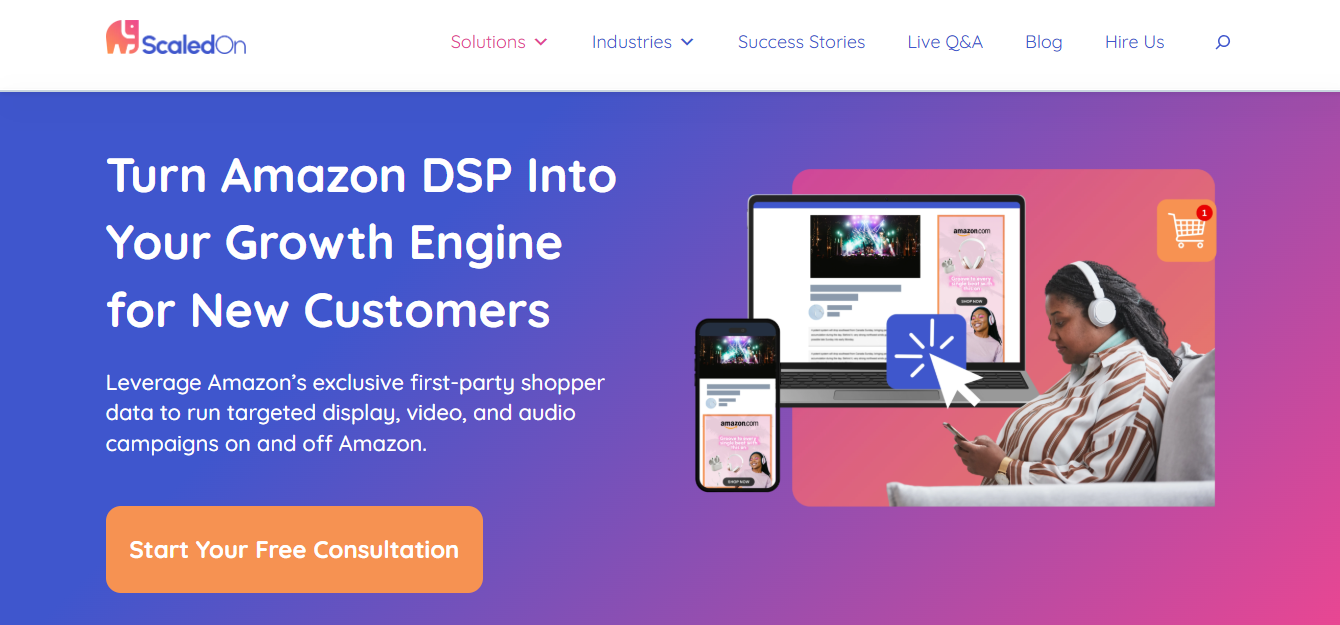
Amazon DSP (Demand-Side Platform) is Amazon’s programmatic advertising solution that enables advertisers to purchase display, video, audio, and connected TV (CTV) ad inventory at scale. It allows brands to reach audiences both on Amazon’s owned properties—such as Amazon.com, Prime Video, IMDb, and Twitch—and across a vast network of third-party websites and apps. Leveraging Amazon’s rich first-party data, advertisers can execute highly targeted campaigns to drive brand awareness, consideration, and conversions.
Key Features
- Advanced Audience Targeting: Utilize Amazon’s extensive first-party data to target audiences based on shopping behavior, browsing history, demographics, and more.
- Omnichannel Reach: Deliver ads across multiple channels, including desktop, mobile, CTV, and audio, ensuring comprehensive audience engagement.
- Real-Time Bidding (RTB): Engage in automated, real-time auctions to purchase ad inventory, optimizing for cost-efficiency and relevance.
- Creative Automation: Leverage tools like Amazon Ads AI Creative Studio to generate dynamic creatives tailored to specific audience segments.
- Comprehensive Reporting and Analytics: Access detailed performance metrics to assess campaign effectiveness and inform optimization strategies.
Pros
- Access to Exclusive Inventory: Advertise on Amazon-owned properties and premium third-party sites, reaching a broad and engaged audience.
- Data-Driven Targeting: Utilize Amazon’s rich consumer insights to deliver highly relevant ads, improving engagement and conversion rates.
- Scalability: Manage campaigns across multiple channels and devices from a single platform, ensuring consistent messaging and reach.
Cons
- Minimum Spend Requirements: Access to Amazon DSP may require a minimum ad spend, which could be a barrier for smaller advertisers.
- Complexity for Beginners: The platform’s advanced features may have a learning curve for those new to programmatic advertising.
Final Verdict
Amazon DSP is a powerful programmatic advertising platform that offers advertisers the ability to reach a vast and engaged audience across Amazon’s ecosystem and beyond. With its advanced targeting capabilities, omnichannel reach, and data-driven insights, it provides a comprehensive solution for brands aiming to enhance their digital advertising efforts. While there may be minimum spend requirements and a learning curve for new users, the platform’s robust features make it a valuable tool for advertisers seeking to drive meaningful results.
14. AdRoll
Overview
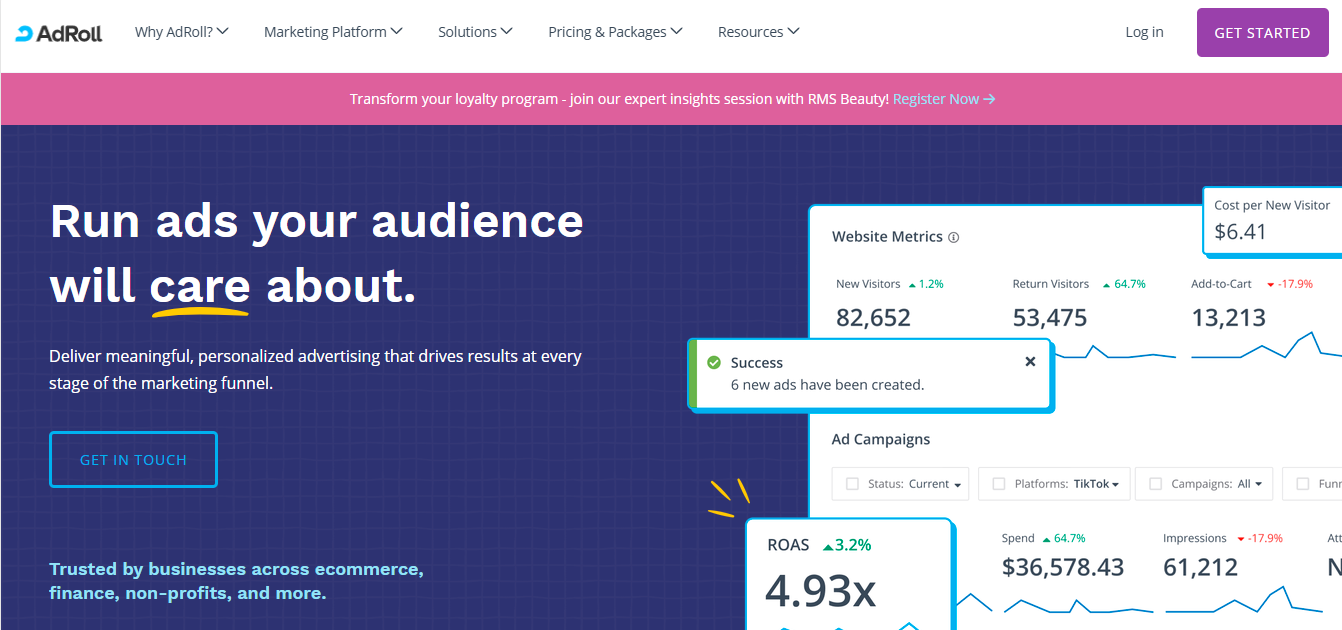
AdRoll is a performance marketing platform designed to help brands and agencies execute full-funnel, cross-channel advertising campaigns. Leveraging artificial intelligence and first-party data integration, AdRoll enables advertisers to reach and re-engage audiences across display, native, video, mobile, social media, and connected TV (CTV) channels. The platform is particularly favored by e-commerce businesses and direct-to-consumer (DTC) brands for its ease of use, scalability, and robust attribution capabilities.
Key Features
- Full-Funnel Campaign Management: AdRoll supports the entire customer journey—from awareness to conversion—by allowing advertisers to target new prospects, retarget website visitors, and nurture existing customers.
- Cross-Channel Reach: Advertisers can run integrated campaigns across multiple channels, including display, native, video, mobile, social media, and CTV, ensuring consistent messaging and broader audience engagement.
- AI-Powered Optimization: The platform utilizes artificial intelligence to optimize bidding strategies, creative performance, and audience targeting in real-time, enhancing campaign efficiency and effectiveness.
- Dynamic Creative Capabilities: AdRoll offers dynamic ad features that automatically adjust content based on user behavior and preferences, improving relevance and engagement.
- Advanced Attribution and Analytics: The platform provides comprehensive analytics tools to measure return on ad spend (ROAS), track cross-device conversions, and identify high-performing channels and creatives.
- Shopify Integration: AdRoll seamlessly integrates with Shopify, enabling automatic installation of the AdRoll Pixel, real-time tracking of sales and revenue, and the creation of personalized dynamic ads based on customer behavior.
Pros
- User-Friendly Interface: AdRoll is known for its intuitive and easy-to-navigate platform, making it accessible for both novice and experienced advertisers.
- Comprehensive Support: The platform offers robust customer support, assisting users in optimizing their campaigns and achieving desired outcomes.
- Scalable Solutions: AdRoll caters to businesses of all sizes, offering flexible solutions that can scale with the growth of advertising needs.
Cons
- Learning Curve for Advanced Features: Some users report that while the platform is user-friendly, there is a learning curve for those new to programmatic advertising, particularly in utilizing advanced features.
- Limited Bulk Editing Features: Certain users have noted that bulk editing capabilities are somewhat limited, which can be time-consuming for large-scale campaigns.
Final Verdict
AdRoll stands out as a versatile and user-friendly programmatic advertising platform, particularly well-suited for e-commerce businesses and DTC brands seeking to execute data-driven, multi-channel advertising campaigns. Its advanced targeting capabilities, AI-driven optimization, and comprehensive analytics make it a powerful tool for enhancing campaign performance and ROI. While there are some areas for improvement, such as bulk editing features and the learning curve for advanced functionalities, AdRoll’s strengths in campaign management and customer support make it a compelling choice for advertisers aiming to leverage programmatic advertising effectively.
15. Adform

Overview
Adform is a global, independent digital advertising technology company headquartered in Copenhagen, Denmark. Founded in 2002, Adform offers a comprehensive suite of tools for advertisers, agencies, and publishers to plan, manage, and optimize digital advertising campaigns across various channels. Its platform, known as Adform FLOW, integrates demand-side platform (DSP), data management platform (DMP), and ad server functionalities into a unified solution.
Key Features
- Omnichannel Campaign Management: Adform’s DSP enables advertisers to execute campaigns across multiple channels, including display, video, audio, connected TV (CTV), mobile, and digital out-of-home (DOOH).
- ID Fusion: The platform supports over 45 identity solutions, allowing for unified frequency control and enhanced targeting in a privacy-first environment.
- Advanced Creative Capabilities: Adform provides robust dynamic creative optimization (DCO) tools, enabling personalized ad delivery based on user behavior and context.
- Real-Time Optimization with Adform IQ: This feature leverages machine learning to adjust targeting, pacing, and creative delivery in real time, enhancing campaign efficiency.
- Comprehensive Reporting and Analytics: Adform offers detailed insights into campaign performance, facilitating data-driven decision-making and optimization.
Pros
- Integrated Platform: Combines DSP, DMP, and ad server functionalities, streamlining campaign management.
- Global Reach: Provides access to premium inventory across various channels and geographies.
- Privacy-First Approach: Supports multiple identity solutions, ensuring compliance with privacy regulations.
Cons
- Learning Curve: Some users report that while the platform is feature-rich, there may be a learning curve for new users.
- Complexity for Smaller Advertisers: The comprehensive nature of the platform may be overwhelming for smaller advertisers with limited resources.
Final Verdict
Adform stands out as a robust and versatile programmatic advertising platform, particularly suited for advertisers seeking an integrated solution that combines DSP, DMP, and ad server capabilities. Its omnichannel approach, advanced creative tools, and real-time optimization features make it a compelling choice for enterprises aiming to execute data-driven, privacy-compliant campaigns at scale. While there may be a learning curve for new users, the platform’s comprehensive features and global reach position it as a strong contender in the programmatic advertising landscape.
Conclusion
Programmatic advertising continues to reshape the digital marketing landscape, offering unmatched efficiency, precision, and scalability. The platforms highlighted in this guide—from Bitmedia, HilltopAds, and AdMaven to industry giants like The Trade Desk, Google DV360, Amazon DSP, and AdRoll—provide a diverse range of solutions for every type of advertiser.
Choosing the right programmatic platform depends on your business goals, target audience, and budget. While some platforms excel in AI-driven personalization, others offer extensive reach, cross-channel capabilities, or seamless integration with e-commerce ecosystems.
By leveraging these Best Programmatic Advertising Platforms, advertisers can optimize their campaigns, reach the right audience at the right time, and maximize ROI. Staying informed about each platform’s features, pros, and limitations ensures you make strategic choices that drive results in 2026 and beyond.
Frequently Asked Questions (FAQs)
What is programmatic advertising?
Programmatic advertising is the automated buying and selling of digital ad space, using data to target specific audiences and optimize ad placements.
How do I choose the best programmatic advertising platform?
Consider your advertising goals, target audience, budget, and preferred ad formats. Look for platforms that offer strong targeting capabilities, cross-channel reach, analytics, and user-friendly interfaces.
Are programmatic advertising platforms suitable for small businesses?
Yes, many platforms, like AdRoll or HilltopAds, cater to businesses of all sizes. Some enterprise-focused platforms may require larger budgets, so small businesses should evaluate costs and scalability.
Can programmatic advertising improve ROI?
Absolutely. Programmatic platforms use AI and data-driven targeting to show ads to the right audience at the right time, reducing wasted spend and increasing conversions.
Is programmatic advertising only for display ads?
No. Modern programmatic platforms support multiple channels, including display, video, native, mobile, social, audio, and connected TV (CTV).
How do I measure success on programmatic platforms?
Most platforms provide analytics and reporting dashboards showing metrics such as impressions, clicks, conversions, ROAS (return on ad spend), and audience engagement. These help optimize campaigns in real time.