
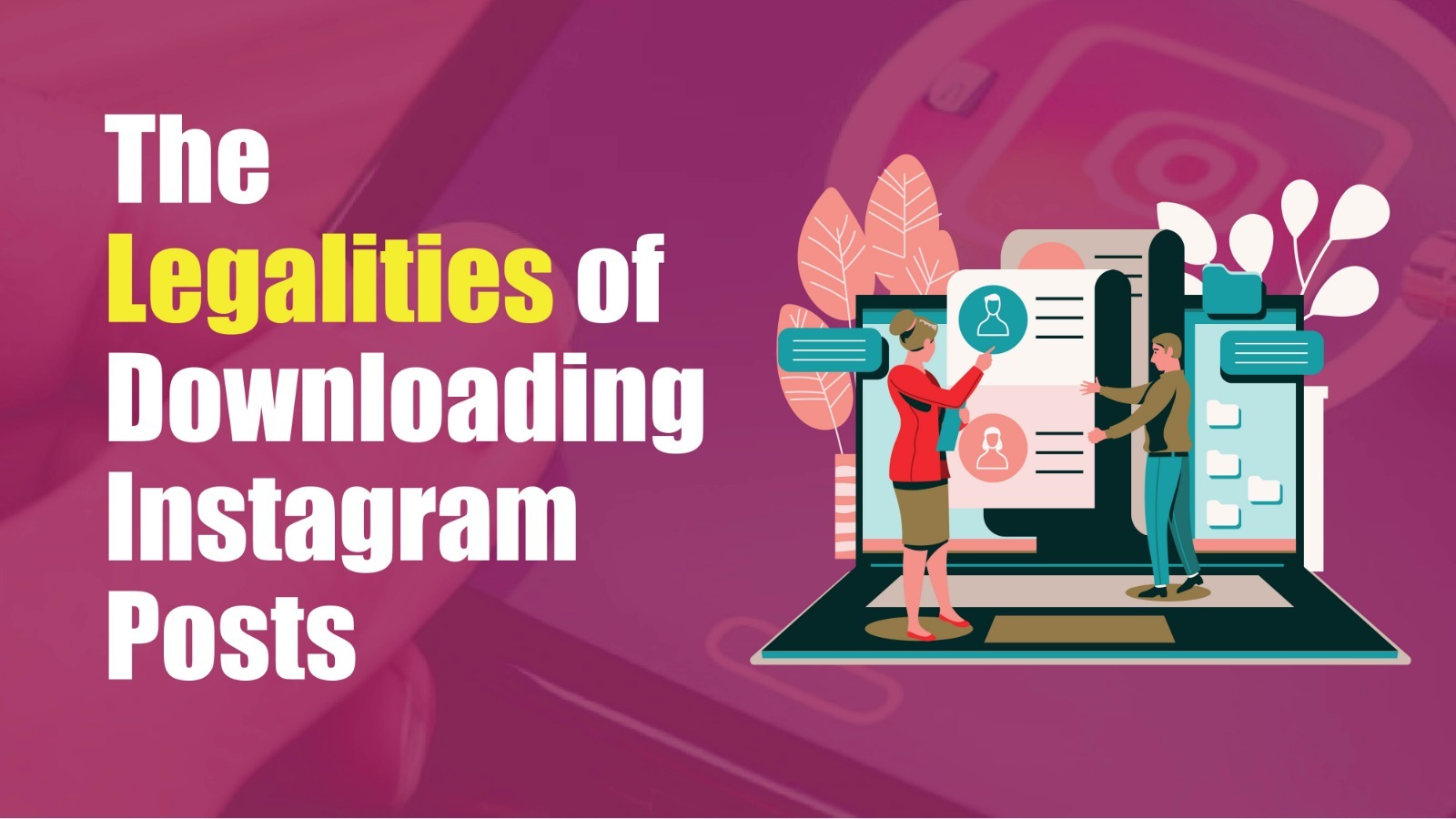
With Instagram being one of the most popular social media platforms, it’s natural for users to want to save and share the content they love. However, downloading Instagram posts isn’t as straightforward as hitting a button—there are rules, rights, and policies you need to understand. From copyright laws to Instagram’s own Terms of Use, failing to follow the guidelines could put your account or reputation at risk. Many users unknowingly cross the line when they save or repurpose content without permission, which can lead to complications. That’s why it’s essential to know exactly what’s allowed and what isn’t before you download anything from Instagram.
In this article, we’ll break down the legal side of downloading Instagram content in clear and simple terms. You’ll learn whether Instagram permits downloading, how to legally request a copy of your own data, and the built-in alternatives like saving, archiving, and bookmarking posts. We’ll also explore the difference between personal use and commercial use so you can avoid copyright issues and stay compliant with Instagram’s policies. By the end, you’ll have a complete understanding of how to manage Instagram content responsibly while keeping your account safe.
Instagram Terms of Use
Understanding and following Instagram’s Terms of Use is crucial if you want to enjoy the platform without running into legal or account-related issues. These guidelines clearly define what actions are acceptable and which ones can lead to penalties, covering areas such as copyright protection, intellectual property rights, and restricted activities like spamming.
The Terms emphasize that users must not upload or share content that infringes on someone else’s rights. They also make it clear that downloading or redistributing content without the owner’s permission is prohibited. Ignoring these rules can result in consequences ranging from temporary restrictions to permanent account suspension, and in some cases, even legal action.
It’s also worth noting that Instagram does not provide a built-in option to download posts from other users. If you want to save or use a post, you must first obtain explicit permission from the creator. Downloading or sharing content without consent could be considered a violation of copyright law, depending on your location and the extent of the usage.
Downloading Content for Personal Use
- Know the rules first – Downloading Instagram content for personal use is only straightforward if the content belongs to you. If it’s your own post, saving it is generally fine, but downloading from other users comes with restrictions.
- Respect copyright laws – Every post on Instagram is protected by copyright. Downloading another user’s photos, videos, or reels without permission could lead to copyright infringement, even if it’s just for personal use.
- Online doesn’t mean free – Just because content is visible on Instagram doesn’t mean it can be freely used or saved. Many posts are subject to intellectual property laws, including copyrights and trademarks.
- Always seek permission – Before downloading or repurposing someone else’s material, check with the original creator. Some users may require explicit consent or written approval before allowing their content to be used.
- Give proper credit – If permission is granted, always acknowledge the original creator to respect their work and avoid disputes.
- Stay safe legally – By doing your research, following Instagram’s policies, and respecting copyright protection, you can avoid potential legal complications while still enjoying the content you love.
Downloading Content for Commercial Use
Downloading Instagram content for commercial purposes is far more restrictive than personal use. Since commercial use often involves promotion, marketing, or monetization, the stakes are much higher when it comes to copyright compliance. Using someone else’s work without authorization can result in serious legal and financial consequences. Here are the key considerations:
- Always obtain written permission – Before using any Instagram post commercially, get explicit written consent from the copyright holder to avoid disputes or infringement claims.
- Secure proper licenses and releases – Depending on the content, you may need usage licenses or model releases if people are featured in the material. This ensures you’re legally covered for advertisements, websites, or branding campaigns.
- Know international copyright laws – Regulations differ across countries. Some regions enforce stricter rules on how copyrighted material can be used in business contexts. Always review the laws relevant to your location.
- Understand the risks of non-compliance – Failing to obtain rights or licenses can lead to lawsuits, hefty fines, or other penalties. In some cases, misuse of copyrighted content can even escalate to criminal charges.
- Protect your brand reputation – Beyond legal risks, unauthorized use can damage credibility and trust with customers. Respecting creators’ rights helps build an ethical brand image.
In short, downloading Instagram content for commercial use is only safe when done with proper permission and compliance. Taking the right precautions will protect both your business and your professional reputation.
Third-Party Downloading Apps
Many users turn to third-party apps as a quick way to download Instagram posts, but this option comes with significant concerns. While these tools may seem convenient, they often violate Instagram’s policies and can put your personal information at risk. Before using any external software, it’s important to weigh the risks carefully.
Legality of Using Third-Party Apps
- Not supported by Instagram – Using third-party apps to download posts goes against Instagram’s Terms of Service, meaning you use them at your own risk.
- Risk of account suspension – Since these tools often breach platform rules, Instagram can limit or suspend your account if you’re caught using them.
- Questionable access requests – Many apps require login credentials or access to sensitive information, raising security and privacy concerns.
Potential Risks of Using Third-Party Apps
- Exposure to malware and viruses – Unofficial apps may contain harmful software that compromises your device or personal data.
- Privacy concerns – Some apps may collect, sell, or misuse your personal information, including passwords or browsing data.
- Legal issues – Downloading content without permission through unauthorized tools can expose you to copyright violations and other legal repercussions.
To stay safe, always research thoroughly before considering any app, read reviews, and ensure it comes from a reliable source. The safest approach is to use Instagram’s built-in features—such as Save, Archive, and Download Your Data—for managing content without risking your account or personal information.
Professional Photographers’ Rights
Professional photographers hold full copyright ownership over their work, even when shared on platforms like Instagram. Copyright law gives them control over how their photos are used, reproduced, or modified. Downloading, reposting, or altering a photographer’s content without consent is a direct violation of their rights and may result in legal action.
Photographers also have the authority to decide how their content can be shared. In some cases, they may grant permission freely, while others may require payment or a licensing agreement. Respecting these terms not only avoids legal issues but also builds trust with creators who dedicate time and skill to their work.
Copyright Infringement and Instagram Content
- Unauthorized downloading is illegal – Saving or reposting professional photos without permission can lead to copyright infringement claims.
- Legal consequences vary – Depending on your location, penalties may include fines, lawsuits, or other legal repercussions.
- Permission is key – Only the original creator can grant approval for use, whether for personal or commercial purposes.
- Credit isn’t enough – Giving credit does not replace the need for permission. Without consent, reposting still violates copyright law.
- Respecting value – Many photographers require payment or licensing fees, which are entirely within their rights.
At its core, this issue goes beyond law—it’s also about ethics. Downloading posts without permission denies photographers the recognition and compensation they deserve for their work. To stay safe and respectful, always assume content is protected and obtain explicit consent before using it. By honoring copyright laws and creative ownership, you not only protect yourself but also support the artistic community.
Fair Use Doctrine
The Fair Use Doctrine serves as an important exception within copyright law, allowing limited use of copyrighted material without the creator’s permission. However, this legal safeguard comes with strict boundaries, and misunderstanding its scope can lead to serious consequences. Fair use typically applies in cases of commentary, criticism, teaching, research, satire, or parody, where the material is used in a transformative way that adds new meaning or value.
Courts assess fair use based on four key factors: the purpose and character of the use, the nature of the copyrighted work, the amount of the content used, and the effect of that use on the potential market value of the original. For example, if your use significantly changes the work and does not compete with or harm the original creator’s sales, it may fall under fair use. Still, each case is judged individually, making it essential to understand these nuances before relying on the doctrine. While fair use promotes creativity and freedom of expression, it should never be seen as a blanket license to freely download and repurpose content from Instagram.
Privacy Settings
Privacy settings play a vital role in controlling who can view and interact with your content on Instagram. If these settings are not properly configured, your posts could become accessible to unintended audiences, including search engines and third-party platforms. This exposure increases the risk of your content being downloaded or misused without your knowledge.
To maintain control, review your privacy options carefully and adjust them based on your comfort level. Restricting visibility to friends or approved followers can minimize risks, while also safeguarding personal information tied to your posts. In today’s digital environment, being proactive with privacy settings is more than just a precaution—it’s an essential step in ensuring a secure and responsible online presence.
Key privacy settings to review include:
- Private Account: Switch your profile from public to private to limit visibility only to approved followers.
- Story Controls: Manage who can view, reply to, or share your Stories.
- Comment Restrictions: Filter comments or block unwanted interactions to maintain a safe space.
- Tagging Permissions: Control who can tag or mention you in their posts.
- Activity Status: Decide whether others can see when you are active on Instagram.
Privacy Laws
Now that you understand Instagram’s privacy settings, it’s equally important to consider the legal implications of downloading content. While saving a post might seem harmless, copyright and privacy laws protect creators’ rights over their work. Downloading or redistributing content without permission can lead to legal consequences.
Here’s a quick breakdown of the legalities of downloading Instagram content:
| What | Who | Why |
|---|---|---|
| Post ownership belongs to creator/owner | Creator/Owner | Copyright protection |
| Unauthorized use is illegal | Everyone | Intellectual property laws |
| Authorized use is legal | Everyone | Fair usage & permissions |
Key takeaways:
- Fair Use Examples: Sharing a link, tagging the creator, or mentioning their work is usually acceptable.
- Copyright Risks: Downloading without permission may be considered infringement.
- Platform Rules: Instagram’s terms prohibit using or redistributing content without consent.
Therefore, always respect the rights of content creators and abide by both copyright laws and Instagram’s community guidelines to avoid legal troubles.
Legal Advice
Because copyright and privacy regulations can be complex, seeking professional guidance is often the best course of action. An intellectual property attorney can help you understand the risks and ensure compliance with the law.
Why legal advice matters:
- Clarity on Laws: Attorneys explain how state, federal, and international copyright rules apply to social media.
- Risk Management: They assess potential liabilities for individuals, brands, or businesses.
- Compliance Strategies: Legal experts guide you on how to properly use, credit, or license Instagram content.
For businesses and public figures especially, legal exposure can be higher. Consulting an experienced lawyer ensures you protect yourself, respect creators’ rights, and avoid costly disputes or litigation.
Best Practices for Downloading Content
Understanding the best practices for downloading Instagram content is crucial to avoid legal issues and protect yourself from copyright claims. Before saving or using any post, make sure you’re acting within the law and respecting the creator’s rights.
Here are a few key practices to follow:
- Check permissions first: Always confirm with the original creator before downloading or reusing their content.
- Be cautious with third-party apps: If you use them, ensure they don’t misuse your account or personal data.
- Watch for restrictions: Some posts may have watermarks or protection measures—downloading them without permission can lead to legal problems.
- Follow privacy and copyright laws: Make sure your actions comply with local and international regulations.
By following these steps, you can safely download content while respecting intellectual property rights and keeping yourself protected.
Tips for Protecting Your Content
Protecting your own Instagram posts is just as important as respecting others’. Safeguarding your content ensures that your creative work remains secure and is not misused without your consent.
Here’s how you can strengthen content protection:
- Post original content: Ensure that what you share is your own creation so your rights remain clear.
- Use watermarks: Adding a small logo or name discourages unauthorized use and makes ownership visible.
- Act quickly if stolen: If your content is downloaded or misused without permission, report it directly to Instagram.
These measures won’t make your content 100% theft-proof, but they significantly reduce risks while giving you more control over your creations.
Final Verdict
Downloading Instagram content can seem simple, but it carries important legal and ethical considerations. Whether you are saving posts for personal reference or planning to use them for commercial purposes, it’s essential to respect copyright laws, Instagram’s Terms of Use, and the rights of creators. Using unauthorized third-party apps can also put your privacy and account at risk. The safest approach is to always seek permission, follow fair use guidelines where applicable, and protect your own content with preventive measures like watermarks. By staying informed and cautious, you can enjoy Instagram content without crossing legal or ethical boundaries.
Frequently Asked Questions (FAQs)
Is downloading Instagram posts legal?
Downloading Instagram posts without permission may violate Instagram’s Terms of Use and copyright laws. Always seek approval from the content creator.
Can I use downloaded Instagram photos for commercial purposes?
No, not unless you have written permission or a license from the copyright holder. Using content commercially without consent can lead to legal consequences.
Are third-party Instagram downloaders safe?
Most third-party apps are not officially supported by Instagram and may compromise your privacy or security. Use them cautiously, if at all.
How can I protect my own Instagram content?
Post original content, add watermarks to your photos or videos, and report unauthorized use directly to Instagram.
Does Fair Use apply to Instagram content?
Yes, but only in limited cases such as commentary, education, news reporting, or parody. Each situation must be evaluated individually.