
Want more visibility without spending a dime? Learn what is LinkedIn impression
Struggling with low reach? This article breaks down how LinekedIn impressions work—and how they can boost your profile or content fast.
Most people ignore impressions—don’t make that mistake. Understanding them can help you grow faster, smarter, and organically.
What is a LinkedIn Impression?
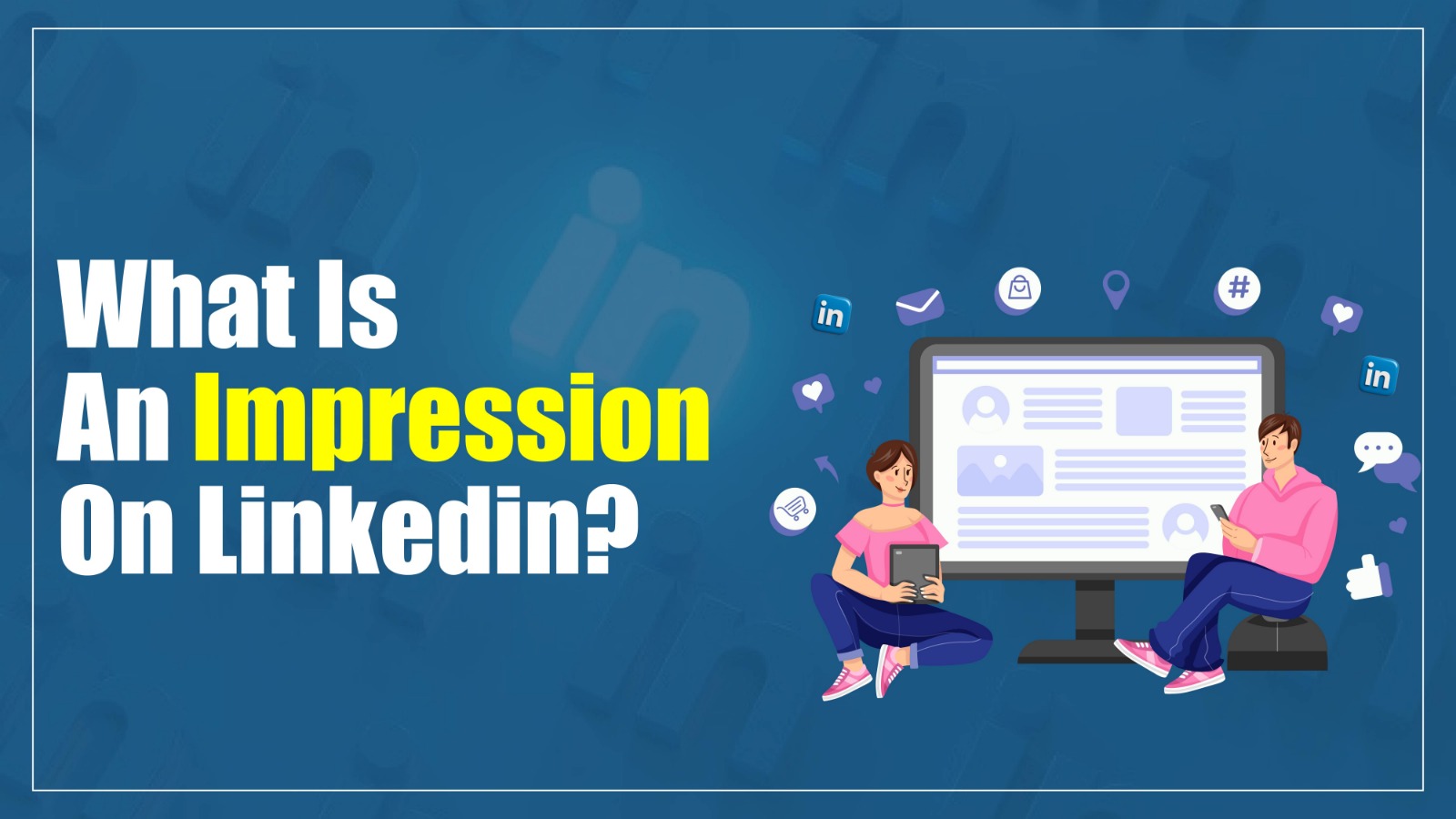
A LinkedIn impression simply means your post, article, or profile appeared on someone’s screen. That’s it.
Whether they read it, clicked it, or scrolled past—it still counts. If your post shows up in someone’s feed, that’s one impression.
So when someone asks, “What is an impression on LinkedIn?”, the short answer is:
It’s the number of times your content or profile is shown to LinkedIn users—across feeds, search results, or notifications.
It’s a pure visibility metric. And while it doesn’t always mean engagement, it’s the first step to getting noticed.
But Why Do LinkedIn Impression Matter?
You might wonder, “If no one is clicking or engaging, are impressions even useful?”
The answer is a strong yes—and here’s why:
Visibility Builds Familiarity and Trust
Every time someone sees your name or content in their feed, it reinforces your presence—even if they don’t interact right away. Over time, this builds a subconscious level of trust. On LinkedIn, visibility is often the first step toward becoming a known figure in your industry.
Think of it like digital billboard advertising: even if no one stops, they’re still seeing it—and remembering it.
Impressions Signal Value to LinkedIn’s Algorithm
LinkedIn’s algorithm looks at early impressions to decide how far your content should go. If your post starts gaining visibility fast, the platform assumes it’s relevant, and shows it to more people. That’s how posts go viral—even with low engagement at the start.
More impressions = more chances for your post to pick up momentum organically.
High LinkedIn Impressions Help You Measure Targeting Accuracy
Let’s say your post is seen by 5,000 people in a specific industry or job title. That’s a strong indicator your content is reaching the right audience, even if they don’t engage. It means your hashtags, timing, and topic are aligned with your niche.
In short, impressions help you test what’s working quietly in the background.
How Does LinkedIn Count Impressions?
Understanding how LinkedIn calculates impressions helps you optimize your content better.
A LinkedIn impression is recorded when:
- Your post appears on someone’s screen (not just the feed).
- It’s shown in a group, homepage feed, search, or hashtag page.
What doesn’t count:
- Views from bots, duplicate refreshes, or spam profiles.
- Note: A single user seeing your post twice = 2 impressions, not one.
Key Types of LinkedIn Impressions
Understanding different types of LinkedIn impressions can help you track the right numbers, optimize your content, and scale your growth strategy.
Let’s break them down:
1. Organic Impressions
These come naturally—no ads, no budget.
When you publish a post, share an article, or comment on someone else’s post, and it shows up in a feed, that’s an organic impression.
Key Benefits:
- Completely free
- Trustworthy (people prefer organic content)
- Helps build long-term credibility
Tips to Increase Organic Impressions:
- Post consistently (but not too much)
- Use engaging hooks in your first 2 lines
- Comment meaningfully on others’ posts (especially viral ones)
2. Paid Impressions
These are the result of LinkedIn Ads.
If you run a campaign to promote a post or your profile, LinkedIn shows it to more people—for a price. Every time it appears, that’s a paid impression.
Best For:
- Targeted marketing campaigns
- Company pages looking for lead generation
- Events, product launches, or webinars
Metrics to Watch:
- Cost-per-impression (CPM)
- Click-through rate (CTR)
- Conversion tracking
3. Viral Impressions
This is where things get exciting.
A viral impression happens when your content spreads beyond your direct network—thanks to shares, likes, and comments from others.
Think of it as a snowball effect.
How to Go Viral (Naturally):
- Say something different or bold
- Use story-based content
- Engage in the first hour after posting
- Encourage others to share or comment
- Viral content can multiply your impressions by 10x–100x in just a few days.
How to Boost Your LinkedIn Impressions (Fast & Organically)
Want more people to see your content without paying for ads? Good news—boosting your LinkedIn impressions isn’t rocket science. It just requires consistency, timing, and smart engagement. Here’s how to do it the right way:
Post When Your Audience is Active
Timing can make or break your impressions.
Best times: Weekdays between 8–11 AM and 4–6 PM (based on your audience’s time zone)
Why it works: LinkedIn rewards early engagement. If your post gets likes/comments fast, it pushes it to more feeds.
Use Strong First Lines (The “Hook”)
Your first 2–3 lines are the only thing users see before clicking “see more.”
Make them count:
- Ask a question
- Share a surprising stat
- Tease a story or lesson
This increases dwell time—which boosts impressions.
Add Value—Not Just Updates
People don’t care what you did—they care how it helps them.
Switch from:
“I attended a webinar.”
To:
“3 key things I learned from a recent webinar—and how you can apply them today.”
The more people resonate, the more they’ll engage—and LinkedIn shows your post to more users.
Use Hashtags (But Not Too Many)
3–5 relevant hashtags help LinkedIn categorize your content.
Use a mix of broad and niche hashtags:
- Broad: #linkedinmarketing, #digitalmarketing
- Niche: #freelancetips, #aiwritingtools
- Avoid using 10+ hashtags—it looks spammy and reduces impressions.
Engage Before You Post
The algorithm favors users who are already active.
15–20 minutes before you post, comment on others’ content, especially from those in your niche.
This primes the algorithm to give your post more visibility right after publishing.
Reply to Every Comment
The more comments, the more LinkedIn sees your post as “active.”
So when someone comments—reply quickly.
Even a simple “Thanks for sharing!” keeps the conversation going and your post circulating.
Use Native Content
Avoid posting too many external links. LinkedIn doesn’t like when users leave the platform. Instead of linking to a blog, repurpose it into a LinkedIn post. Or write a summary and place the link in the first comment.
This keeps engagement high—and your impressions even higher.
Be Consistent (But Not Overwhelming)
Posting once a day or a few times a week is enough. Don’t post 3 times a day—it splits your impressions and may annoy your network. A steady flow of quality content performs better than bursts of low-effort posts.
Pro Tip: Don’t Just Chase Numbers
Yes, impressions are great—but don’t fall into the trap of vanity metrics.
- Use them as signals, not as goals. Focus on:
- Reaching the right audience
- Posting helpful, relevant content
- Building actual relationships
- Because 10 targeted impressions are more valuable than 1,000 random ones.
The Difference Between Impressions and Views
People often confuse impressions with views, but they’re not the same—and knowing the difference matters if you want to measure your LinkedIn performance accurately.
An impression is counted every time your content appears on someone’s screen, even if they don’t stop, click, or read it.
A view happens only when someone actively clicks on or watches your content, such as opening an article or watching a video.
Quick example:
If someone scrolls past your post without stopping, it counts as an impression. But if they click to read your article or watch your video, that’s a view.
Metrics That Matter with Impressions
Don’t just look at the raw number. Focus on:
- Impression-to-engagement ratio
- Click-through rate (CTR)
- Engagement velocity (how fast people react after the post goes live)
If your impressions go up but engagement stays flat, tweak your opening line or visual.
Final Thoughts
If you’re serious about growing on LinkedIn, understanding what is an impression on LinkedIn is not just helpful—it’s essential.
Whether you’re a job seeker looking to attract recruiters, a business owner building brand awareness, or a content creator aiming to grow your network, impressions are your first point of contact with the LinkedIn audience. They’re the digital equivalent of someone glancing at you across the room—before the connection, the click, or the conversation.
Think of it this way:
- Impressions are where visibility begins. Engagement, conversions, and results come next—but only if you show up in the first place.
- By tracking impressions over time, you get a clearer sense of:
- What type of content your audience prefers
- When your network is most active
- Which formats or topics gain more attention
- And once you know that, you can create smarter, more intentional content—not just content for the sake of posting.
- Don’t treat impressions as empty numbers.
Treat them as data-driven clues that help you craft a more impactful LinkedIn strategy. - So yes—show up. But also show up strategically. When your content doesn’t just appear, but resonates and spreads, that’s when real growth happens.
Frequently Asked Questions (FAQs)
What counts as an impression on LinkedIn?
An impression is counted every time your content appears on someone’s screen—for example, in their feed, search results, or notification tab.
Do profile views count as impressions?
No. Profile views are different. Impressions refer to content visibility, not direct visits to your profile.
How many impressions are considered “good” on LinkedIn?
It depends on your network size. For example, 500–1,000 impressions on a post from a user with 300 connections is solid. Always measure growth relative to your previous content.
Are impressions more important than likes?
They serve different purposes. Impressions show reach, while likes show engagement. You need both—but impressions come first.
Can you increase LinkedIn impressions without ads?
Absolutely. Posting helpful content regularly, engaging with others, and using relevant hashtags are organic methods that work.