
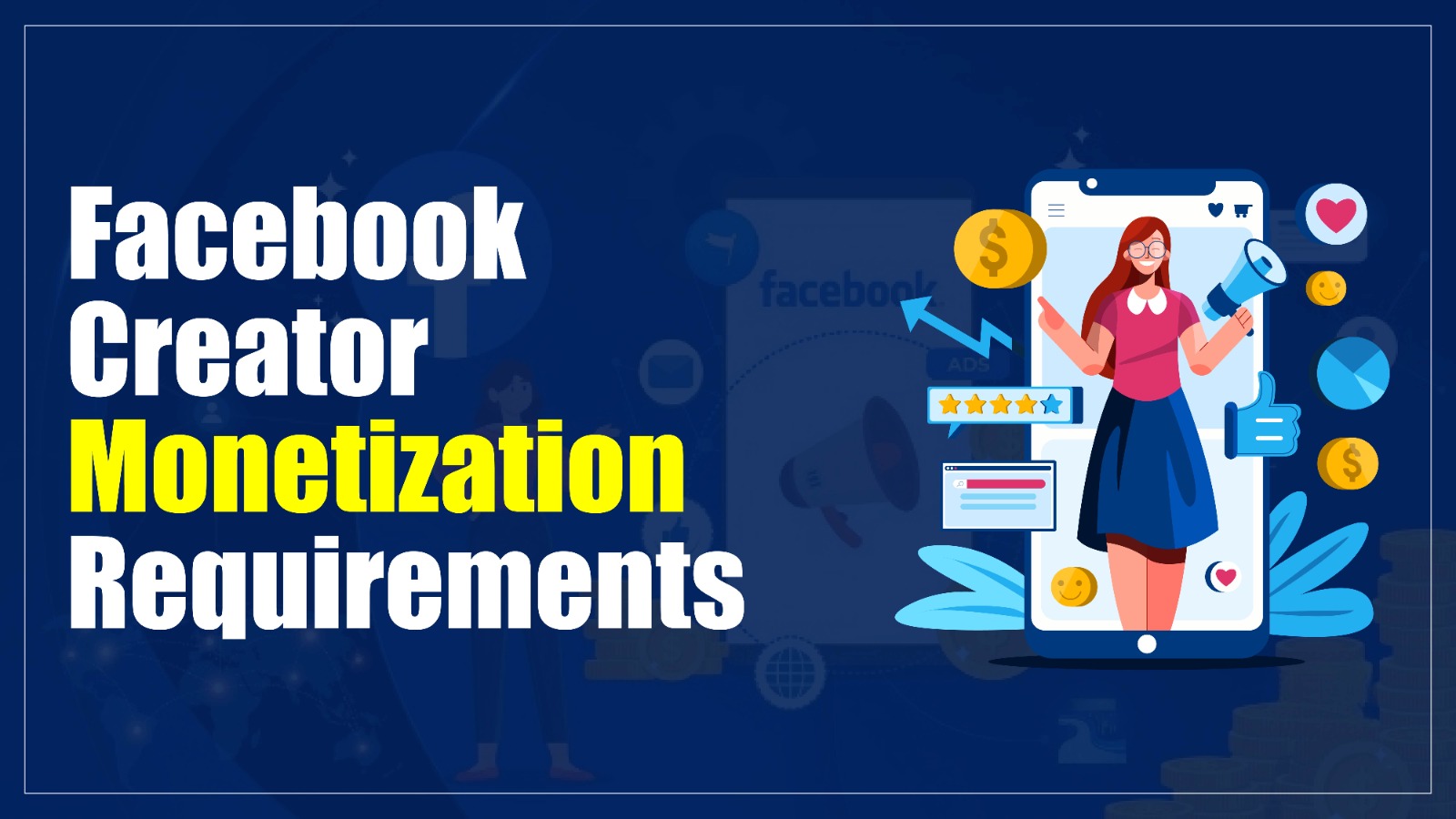
Facebook has quietly rebuilt how creators get paid. Gone are the days of juggling separate applications for in-stream ads, Reels bonuses, and performance bonuses — Meta folded almost everything into one system called Facebook Content Monetization (CMP). If you’re trying to figure out whether your Page qualifies, why you haven’t been invited yet, or how to actually turn views into income, this guide walks through the eligibility rules, the current tools, and the strategies working right now.
What Is Facebook Content Monetization in 2026?
Prior to 2025, Facebook creators had to apply separately for in-stream ads, Ads on Reels, and Performance Bonuses — each with its own rules and dashboard. Meta has since consolidated these into a single framework. In fact, In-Stream Ads, Ads on Reels, and the standalone Performance Bonus program officially ended on August 31, 2025, with Facebook Content Monetization taking their place as the primary earning path for 2026.
The logic behind the change is simple: Meta found that only about a third of creators earning on Facebook were using more than one monetization feature at a time. By unifying everything, a creator can now be approved once and earn across formats — Reels, longer videos, photos, and even text posts — from a single dashboard, instead of qualifying format-by-format.
One notable shift in where the money is going: roughly 60% of Facebook’s total creator payouts in 2025 went to Reels, but the remaining 40% was split across Stories, photos, and text posts — formats that weren’t monetizable just a year earlier.
Facebook Creator Monetization Eligibility Requirements
Requirements vary slightly depending on which tool or feature you’re trying to unlock, and Meta updates thresholds throughout the year — so always confirm current numbers in your Professional Dashboard under Monetization → Eligibility. That said, here’s the baseline most guides and creators are reporting for 2026.
General Eligibility Requirements
- You must be 18 or older.
- You need a Facebook Page or a profile in Professional Mode (personal profiles alone don’t qualify).
- Your Page/content must be based in an eligible country — coverage now spans most of North America, the UK, Western Europe, Australia, and parts of Southeast Asia and Latin America, with more markets rolling in gradually.
- Compliance with Meta’s Partner Monetization Policies and Community Standards, with no recent violations.
- Original content — reused, low-effort, or recycled material is one of the most common disqualifiers.
Feature-Specific Benchmarks
| Monetization Tool | Typical Requirements |
|---|---|
| In-Stream Ads / Content Monetization | ~10,000 followers + 600,000 total watch minutes in the last 60 days (including a portion from live video) |
| Reels Play / Reels Bonuses | Page at least 30 days old, 10,000+ followers, 600,000+ Reel plays in the past 60 days |
| Stars (Live Tipping) | As few as 100 followers, with regular live content |
| Fan Subscriptions | 10,000 followers, or roughly 250 returning weekly viewers |
| Facebook Shops | Compliance with commerce policies and product eligibility |
What Can Prevent Facebook Monetization?
A single policy violation can freeze monetization for around 90 days, so consistency and a clean record matter as much as hitting the numbers
Why Is Facebook Not Inviting Creators to Monetization Tools Anymore?
This is one of the most common frustrations creators bring up, and it usually comes down to a few overlapping reasons rather than one single cause.
Content Monetization Is Still Largely Invite-Based
Even if your Page technically meets the published thresholds, Facebook Content Monetization has remained an invite/interest-based rollout rather than an instant, self-serve signup for most creators. You can express interest through your Professional Dashboard (Monetization tab → Content Monetization → interest form), but an invite isn’t guaranteed just because you meet the minimums.
Small or New Pages Lack Performance Data
In practice, very small Pages rarely get invited because Facebook simply doesn’t have enough signal — watch time, retention, engagement consistency — to judge whether your content is advertiser-safe and worth investing in.
Eligibility Is Evaluated at the Page Level
Creators who split attention across a personal profile and a Page, or who recently created their Page, often stall out because the Page hasn’t built up its own independent history.
Policy and Content-Quality Flags
Reused content, engagement manipulation (follow-for-follow schemes, bought engagement, spammy reposting), or recent Community Standards strikes are the most frequently cited reasons a Page gets skipped over or has monetization pulled.
Country and Language Rollout Gaps
The program is still expanding market by market. If your primary audience or Page location sits in a country still in limited rollout, invites may simply not be available yet, regardless of your metrics.
Rolling Threshold Changes
Meta has adjusted view thresholds and bonus criteria multiple times through 2025 and into 2026, so a Page that seemed close to qualifying a few months ago may find the bar has moved.
How Can You Check Your Monetization Status?
If you’re not getting invited, the most useful troubleshooting step is checking the specific breakdown Facebook shows in your Monetization tab — it typically tells you exactly which requirement (follower count, watch-time, compliance status, or country) is the gap, rather than leaving you guessing.
How Is Facebook Diversifying Monetization Options for Creators?
Facebook’s broader strategy in 2026 is to stop treating monetization as one narrow lane (ads on long-form video) and instead spread earning opportunities across formats and behaviors.
Multi-Format Earning Under One Program
Content Monetization now covers Reels, longer videos, photo posts, Stories, and text posts within a single eligibility system, rather than forcing creators to separately qualify for each.
New Performance Metrics
Meta has introduced clearer reporting — “Qualified Views” (views eligible to earn), “Earnings Rate” (approximate pay per 1,000 qualified views), and a breakdown of “Non-Qualified Views” explaining why certain views didn’t count. This is meant to help creators actually understand and improve what’s driving income, rather than earning being a black box.
Parallel Monetization Tools
Stars (live tipping), Fan Subscriptions, branded content partnerships, and Facebook Shops continue to run alongside Content Monetization as separate but complementary income streams.
Competition Is Driving More Monetization Options
Facebook’s push to broaden monetization is also a response to competition for creator attention from YouTube, TikTok, and creator-focused platforms like Patreon, which have historically offered clearer incentives and tools.
The Overall Direction
The overall direction: less “you either qualify for ad revenue or you earn nothing,” more “there are several ways to get paid depending on how your audience actually engages.”
How Can Creators Monetize Their Facebook Watch Videos?
Facebook Watch content — regular, longer-form video as opposed to short-form Reels — remains one of the highest-earning formats per view, largely through in-stream ads.
Meet the Baseline Thresholds
You’ll generally need around 10,000 followers and 600,000 total watch minutes across the last 60 days (including a live-video component) to unlock in-stream ads on Watch content.
Mind Video Length
In-stream ads require videos of roughly 3 minutes or longer to carry mid-roll placements, and videos in the 8–20 minute range tend to earn more from ad placements than very short clips. A common strategy among active creators is using Reels for discovery and reach, while relying on 5–15 minute Watch videos for the bulk of ad revenue.
Apply Through Your Dashboard
Go to your Page’s Professional Dashboard or Meta Business Suite → Monetization → In-Stream Ads, and choose your placements (pre-roll, mid-roll, or image ads).
Build Watch Time Deliberately
Since the 600,000-minute threshold is a rolling 60-day window, consistency matters more than occasional viral spikes. Pairing a Facebook Group in your niche with your Page can help — Groups tend to have stronger organic reach than Pages alone and can funnel dedicated viewers back to your Watch videos.
Use Engagement Tools to Boost Qualified Views
Polls, stickers, and Q&A elements inside videos signal higher-value content to Facebook’s ranking system, which can support both reach and your Watch-time numbers.
Stay Compliant
Original, non-reused content and a clean policy record are non-negotiable — a violation can suspend monetization for around 90 days, wiping out watch-time progress in the process.
What Types of Monetization Strategies Do Successful Facebook Creators Use?
Creators seeing consistent income on Facebook rarely rely on a single tool. The pattern among higher earners tends to look like this.
A Mixed-Format Content Strategy
Reels for discovery and audience growth, longer Watch videos (5–15 minutes) for ad revenue, and regular Facebook Lives to build the kind of direct engagement that drives Stars tips.
Stacking Multiple Monetization Tools at Once
Instead of relying only on in-stream ads, successful Pages combine ad revenue with Stars, Fan Subscriptions, branded content deals, and affiliate links — so an algorithm change or a dip in one stream doesn’t tank total income.
Niche Focus Over Broad Appeal
Content in categories like finance, productivity, and health tends to attract higher-value brand deals and more engaged (not just larger) audiences. Guides consistently note that 10,000 followers with a strong engagement rate outperform 100,000 followers with weak engagement.
Community-Building Through Groups
Pairing a Page with a niche-focused Facebook Group helps sustain the watch-time and engagement metrics monetization depends on, since Groups often reach members more reliably than Page posts do.
Cross-Posting Efficiently
Many creators repurpose Instagram Reels directly to Facebook through Meta Business Suite, doubling distribution without creating separate content.
Treating the Page Like a Business Asset
Posting consistently (roughly 2–3 times a week at minimum), monitoring the Monetization Eligibility Checker regularly, and protecting the account from policy strikes are treated as ongoing maintenance — not one-time setup steps.
Branded Content and Affiliate Marketing
Once a creator has an engaged audience, direct brand partnerships (via Facebook’s Branded Content Tool for transparent tagging) and affiliate commissions often become a larger share of income than platform ad revenue itself, especially in higher RPM regions like the US and Europe.
Quick Tips to Improve Your Monetization Odds in 2026
- Check your exact eligibility gaps in Professional Dashboard → Monetization → Eligibility rather than relying on generic thresholds
- Prioritize original, advertiser-friendly content — avoid reposted or lightly-edited reused material
- Keep videos long enough to support mid-roll ads (3+ minutes) when Watch revenue is the goal
- Build a companion Facebook Group to strengthen watch-time and engagement signals
- Diversify — don’t wait on a single monetization feature to carry your income
- Watch for country/language eligibility, since rollout is still expanding market by market
- Protect your compliance record; a single violation can pause monetization for months
Final Thoughts
Facebook’s monetization system in 2026 is less fragmented but more performance-driven than it used to be. Meeting the published thresholds gets you in the door, but invites, approval, and sustained earnings depend on consistent original content, a clean policy record, and — increasingly — a strategy that spreads across formats and tools rather than betting on one. Checking your Professional Dashboard regularly is still the most reliable way to know exactly where you stand, since Meta continues to adjust thresholds and country availability throughout the year.