
Switching Instagram accounts from Business to Personal can feel like hitting the refresh button on your social media journey. Many users start with a Business or Creator account to unlock features like insights, ads, and advanced engagement tools. But over time, these extras can become overwhelming, especially if you’re not consistently promoting a product or service. A Personal account offers a cleaner, simpler experience focused purely on sharing updates with friends, family, or followers. It also removes the pressure of constant analytics tracking, giving you freedom to enjoy Instagram the way it was originally designed.
Before making the switch, it’s important to understand how each account type works and what changes to expect. Moving back to a Personal account means you’ll give up certain features like access to professional insights, promotional tools, and shopping options. However, in return you gain greater privacy flexibility, reduced clutter, and a more authentic posting experience. Whether you’re stepping away from brand management or simply want Instagram to feel more personal again, switching accounts could be the right decision for you.
Understand Instagram Account Types Before Switching Instagram Accounts
Understanding Instagram Account Types
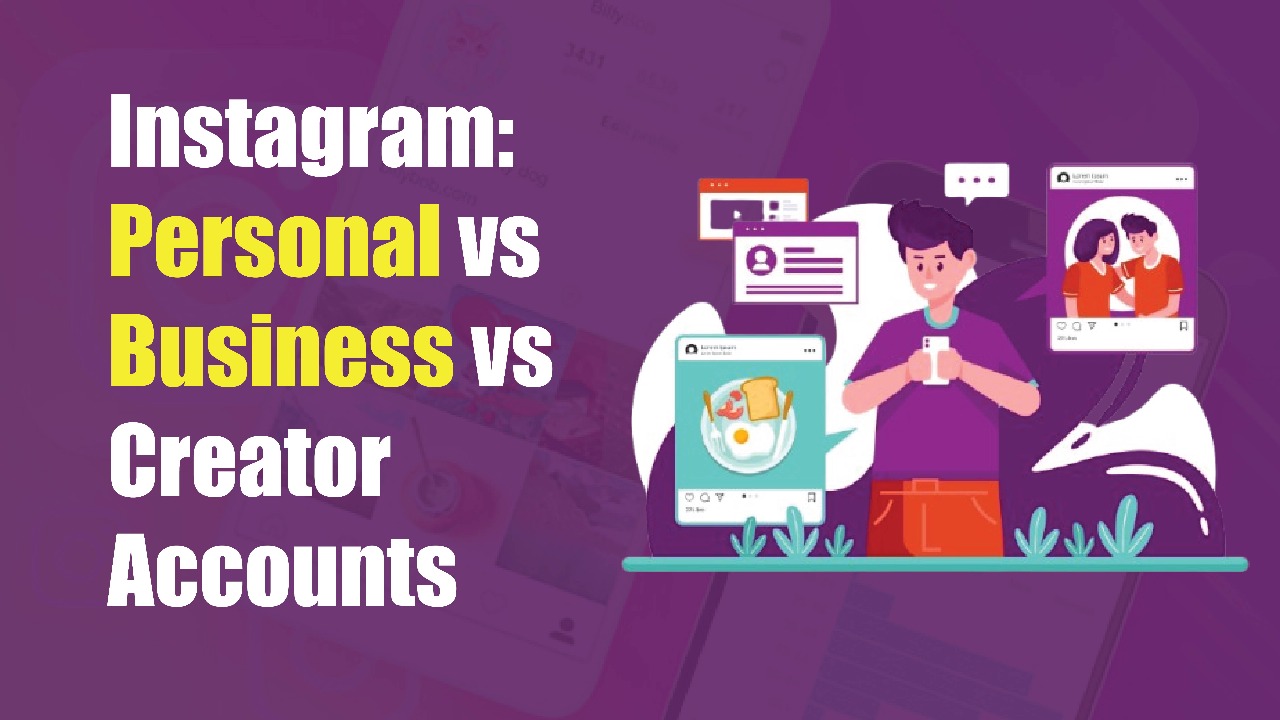
Before switching Instagram accounts, it’s important to know the purpose of each account type and the features they provide. Instagram currently offers three main account options: Personal, Business, and Creator accounts. Each type is designed with specific goals in mind, whether you want to keep your profile private, promote a brand, or grow as a content creator.
| Feature | Personal Account | Business Account | Creator Account |
|---|---|---|---|
| Best For | Everyday users sharing photos, videos, and stories | Companies, entrepreneurs, and marketers promoting products/services | Influencers, public figures, and creators building a personal brand |
| Account Privacy | Public by default, with the option to go Private | Public by default, designed for wider visibility | Public by default, focused on reach and engagement |
| Profile Customization | Standard profile setup with limited options | Extra features like contact buttons, call-to-action links | Flexible categories such as blogger, artist, or public figure |
| Recommended For | Anyone who prefers a simple, clutter-free presence | Businesses and marketers aiming for growth and brand awareness | Creators who want professional insights without running a shop |
Personal Instagram Accounts
Switching from a Business to a Personal Instagram account gives you a cleaner, stripped-down experience without the pressure of metrics or promotions. This type of account is designed for users who simply want to enjoy the platform, share updates, and connect with close friends or family. A Personal account focuses on the original purpose of Instagram—creativity and connection—without unnecessary tools. It’s the best option if you’re looking for privacy, simplicity, and a stress-free way to use social media.
Who It’s For:
- Individuals who mainly share personal updates, photos, or stories with friends and family.
- Users who prefer a clutter-free feed without analytics, promotional prompts, or advertising features.
Features:
- Core Instagram Tools: Access to Stories, Feed Posts, Reels, and Direct Messages.
- Privacy Control: Ability to switch to a private profile, giving you full authority over who follows and engages with your content.
- Ad-Free Experience: No prompts to boost posts or run paid campaigns.
- Simplified Sharing: Focuses on creativity and connection without data tracking or insights.
Drawbacks:
- No access to advanced analytics, shopping tools, or paid promotions.
- Any previously active ad campaigns are paused automatically once you switch.
Business Instagram Accounts
Business accounts are designed for growth, visibility, and brand promotion, making them ideal for companies and entrepreneurs. This type of account comes packed with advanced tools like analytics, advertising options, and shopping features that help you reach new audiences. A Business account prioritizes data-driven strategies, giving brands the ability to track performance and refine their approach. However, for casual users, it may feel overwhelming due to constant prompts for promotion and detailed insights.
Who It’s For:
- Companies, brands, and entrepreneurs promoting products or services.
- Influencers and marketers who rely on detailed insights to guide their content strategy.
Features:
- Audience Insights: Detailed metrics on demographics, engagement, and post performance.
- Advertising Tools: Ability to boost posts, run targeted ads, and promote content to a wider audience.
- Shopping Integration: Product tagging, storefront features, and shopping tabs for e-commerce.
- Contact Buttons: Easy access options like email, phone, or directions added to your profile.
Drawbacks:
- Privacy trade-offs due to extensive tracking of account activity.
- A busier interface that emphasizes promotions and analytics, which can be overwhelming for casual users.
Creator Instagram Accounts (Professional Accounts)
Creator accounts act as a middle ground between Personal and Business accounts, offering a mix of flexibility and professional features. They are designed specifically for influencers, artists, and content creators who want to grow their personal brand without focusing heavily on ads or e-commerce. This account type provides access to analytics, collaboration tools, and customization options that reflect your niche. While it’s not as powerful as a full Business account, it’s a great balance for individuals looking to expand their audience and build authority.
Who It’s For:
- Bloggers, artists, influencers, and public figures focused on brand growth and collaborations.
- Users who want access to insights without committing fully to business advertising features.
Features:
- Engagement Insights: Basic analytics on audience growth, reach, and interactions.
- Branded Content Tools: Options for collaborations, sponsorships, and partnerships.
- Profile Customization: Ability to select niche categories such as artist, blogger, or public figure.
- Optional Promotions: Boost posts if needed, but advertising is not the primary focus.
Drawbacks:
- Limited access to e-commerce and shopping tools.
- Less comprehensive analytics compared to full Business accounts.
Why You Might Want to Switch Instagram Accounts
There are several reasons why switching your Instagram account from Business to Personal can be the right move. While Business accounts are great for brands and marketers, they often feel overwhelming if you’re simply using Instagram for personal expression. A Personal account gives you more freedom, control, and a clutter-free experience without the constant push of professional tools. Before learning how to switch a Business account back to a Personal one, let’s explore the main benefits of making the change.
Privacy and Control
One of the biggest advantages of switching is greater privacy. Business accounts are designed to stay public for maximum visibility, which may not suit everyone. Personal accounts allow you to make your profile private, giving you complete authority over who follows you and engages with your content. This reduced exposure makes it ideal for personal sharing and connecting only with people you trust.
Simplified User Experience
Business features like analytics, ads, and shopping tabs add complexity that many users don’t need. By moving to a Personal account, you get a simpler, distraction-free Instagram. You’ll no longer see promotion prompts encouraging you to boost posts, and the interface becomes cleaner with fewer tools crowding your profile. Without the pressure of numbers, engagement rates, or growth strategies, you can focus on enjoying Instagram at your own pace.
Content Freedom
Personal Instagram accounts let you focus entirely on sharing moments, ideas, and creativity without worrying about performance metrics. There’s no need to optimize for reach or engagement—your content can be authentic and casual. This freedom makes posting more enjoyable and less stressful, especially if you’re not running a brand or trying to grow an audience.
Saying Goodbye to Business Tools (And Why That’s Okay)
Switching back does mean losing access to some features, but for many, that’s a positive change. Analytics, insights, and audience demographics disappear, but so do the constant reminders to promote posts. Ads and promotional tools are disabled, and shopping features like product tagging and storefront integration are removed. Keep in mind that any analytics data not saved beforehand will be lost permanently. If you’re not actively using these tools, removing them clears space for a more natural, enjoyable Instagram experience.
Preparation Before Switching Instagram Account
Switching between Instagram account types may seem like a quick process, but the right preparation ensures a smooth transition. Taking time to review your goals, back up data, and update your app can help prevent issues and safeguard important information. Let’s look at the essential steps you should complete before making the switch.
Backup Important Data First
One of the biggest things to consider before switching Instagram account types is data loss. Once you move from a Business or Creator account to a Personal account, your analytics and insights will disappear permanently. To avoid losing this valuable information, take screenshots or export key metrics such as engagement rates, audience demographics, and post reach. Preserving these details can help you reference past performance even after switching.
Update to the Latest Instagram App
Before switching Instagram accounts, ensure that your app is running on the latest version. Using an outdated app may cause glitches, delays, or even errors during the transition process. Regular updates also bring security improvements and bug fixes that guarantee a smoother user experience. Simply check your device’s app store and install the latest update before proceeding.
Review Your Goals Before the Switch
Another key preparation step is understanding why you want to change your Instagram account type. If your goal is to simplify your experience, a Personal account works best. However, if you still need access to professional tools, you might consider keeping a Business or Creator account. For those wanting both flexibility and separation, you can even create a second Instagram account with the same email, allowing you to manage distinct profiles with ease.
How to Make Your Instagram Account Personal
Switching your Instagram account from Business to Personal is a simple process that only takes a few taps. However, before you move forward, it’s important to understand what changes come with this switch. By moving back to a Personal account, you’ll lose access to certain business-related tools, but if you don’t use them, this change will make your profile cleaner and easier to manage.
What You Lose When Switching to a Personal Account
Making the switch from a Business or Creator account to a Personal account means parting ways with several professional features. These features are designed to help brands and influencers grow, but they are not necessary for everyday Instagram use. If you don’t rely on them, losing access won’t negatively impact your experience.
Loss of Analytics & Insights
Once you switch to a Personal account, all analytics and insights will be disabled. This means you’ll no longer see detailed data such as audience demographics, engagement rates, or post performance. If you want to keep this information, you’ll need to save or screenshot it before switching, as Instagram permanently deletes past analytics data.
Removal of Promotional Tools
Personal accounts don’t include advertising features. After switching, you won’t be able to boost posts, create ads, or promote stories. This change is ideal for users who prefer organic engagement and don’t want constant reminders to spend money on promotions.
End of Shopping Features
Another major feature you’ll lose is the Instagram Shop. With a Personal account, you won’t be able to tag products in your posts or run an online storefront directly from your profile. For casual users, this won’t matter, but for sellers, it’s a big shift away from e-commerce opportunities.
Permanent Data Loss Risk
When switching to a Personal account, all professional data that isn’t saved beforehand will be erased permanently. Insights, promotional history, and shopping activity cannot be restored once deleted. That’s why it’s crucial to back up anything important before confirming the switch.
How to Switch from a Professional Account on Instagram (Including Creator Accounts)
If you’re using a Professional account on Instagram—whether it’s Business or Creator—the process of switching back to a Personal account is simple. Instagram uses a unified conversion protocol that allows seamless switching, but once you make the change, you’ll lose access to professional analytics and promotional features.
Switching accounts doesn’t affect your existing followers, but it does reshape how you use Instagram. A Personal account strips away business tools, making your profile easier to manage and more private. Below, you’ll find the exact step-by-step method for switching.
How to Switch From a Professional Account to a Personal on Instagram
Whether you currently manage a Business Account or a Creator Account, Instagram’s process is identical. The conversion method has six straightforward steps, and once completed, your account will immediately revert to Personal with simplified functionality.
Step 1: Open the Instagram App
Start by launching the Instagram app on your smartphone or tablet. From the home screen, tap your profile icon in the bottom-right corner. This will take you to your profile, where you can begin making the switch.
Step 2: Go to Profile Settings
Next, tap the three horizontal lines (menu icon) located in the top-right corner of your profile. From the dropdown menu, choose “Settings and activity.” This section contains all your account preferences and tools.
Step 3: Navigate to Account Settings
Within the Settings menu, scroll down to “Creator Tools & Controls.” This is Instagram’s centralized hub for switching between account types. Here, you’ll find options to adjust your account type and manage your professional tools.
Step 4: Choose ‘Switch Account Type’
At the bottom of the Account menu, you’ll see “Switch Account Type.” Tapping this option opens two choices:
- Switch to Personal Account
- Switch to Business/Creator Account (if you’re using the opposite type).
This is the core setting that enables the transition.
Step 5: Select ‘Switch to Personal Account’
Now, tap “Switch to Personal Account.” Instagram will display a notification outlining the features you’ll lose—such as analytics, insights, and promotional tools. This ensures you understand the impact before confirming.
Step 6: Confirm Your Decision
Finally, read the notification carefully and tap “Switch to Personal Account” once more. Your account will instantly convert, and all business-related features will be removed. From here on, your profile will function as a Personal account.
Alternatives to Switching: What If You Still Need Business Tools?
Not everyone is ready to give up Instagram’s professional features completely. If you still rely on certain business tools but want more flexibility, there are alternatives to switching directly to a Personal account. These options allow you to balance privacy, content creation, and business growth without losing all the benefits of analytics and promotional tools.
Switching to a Creator Account
Creator accounts act as the middle ground between Business and Personal. They provide access to important insights without the full suite of business-focused features. With a Creator profile, you can track engagement and follower growth while still keeping your account more content-driven than sales-oriented. It’s ideal for influencers, bloggers, or artists who value visibility without heavy advertising tools.
Creating a Separate Personal Account
Another option is to create a second Personal account while keeping your Business account active. This lets you separate professional and personal content easily. Your Personal account can stay private for sharing with friends and family, while your Business account continues to run promotions and use analytics. Instagram makes it simple to switch between accounts, so managing both doesn’t add much extra effort.
Balancing Both With Smarter Management
If you want the best of both worlds, you can balance a Personal and Business account through better management practices. For example, plan ahead by creating a content calendar, batch-creating posts, and using Instagram’s built-in scheduling tools. This approach helps you stay consistent without feeling overwhelmed and allows you to enjoy personal use while still maintaining professional visibility.
Tips for a Smooth Transition
Switching from a Business account to a Personal account on Instagram becomes much easier when you take a few preparation steps. These actions will help you avoid losing important data and keep your content consistent throughout the process.
Backup Your Insights
- Save valuable analytics such as audience demographics, engagement rates, and post reach.
- Take screenshots or export the data before switching, as it will be permanently erased.
Update Your Instagram App
- Ensure you’re running the latest version of the Instagram app.
- Updates reduce the risk of glitches, missing features, or incomplete transitions.
Keep Your Content Consistent
- Prepare a content plan ahead of time so followers stay engaged during the switch.
- Maintain your posting schedule to avoid a drop in visibility.
Clarify Your Goals
- Decide why you’re switching: privacy, simplicity, or reduced pressure from business tools.
- Having clear goals ensures your new account type aligns with your intentions.
Comparing Account Types: Which Is Right for You?
Choosing between Personal, Business, and Creator accounts on Instagram depends on your goals. Each account type offers unique features, benefits, and limitations. The table below breaks down the key differences so you can decide which option best suits your needs.
| Feature | Personal Account | Business Account | Creator Account |
|---|---|---|---|
| Best For | Casual users who share content with friends and family. | Brands, businesses, and marketers promoting products or services. | Influencers, bloggers, artists, and creators building a personal brand. |
| Account Privacy | Can be set to Private or Public. | Public by default but can be switched to private with limited features. | Public by default but can also be set to private. |
| Audience Insights | Not available. | Full analytics: demographics, engagement, reach, and growth trends. | Limited analytics: follower growth and engagement stats. |
| Ads & Promotions | Not available. | Yes – includes ads, boosted posts, and promoted stories. | Can boost posts, but advanced advertising options are missing. |
| Shopping Features | Not available. | Yes – includes Instagram Shop, product tagging, and shopping tabs. | Not available. |
| Collaboration Tools | Not available. | Yes – contact buttons, branded content tools, and CTA options. | Yes – branded content tags, collaborations, and category customization. |
| Profile Customization | Basic profile setup. | Can add contact info, CTA buttons (Call, Email, Directions). | Can add categories (e.g., blogger, artist, public figure). |
| Notifications & Reminders | No extra prompts or reminders. | Frequent reminders for promotions, insights, and growth. | Occasional prompts for collaborations and engagement. |
| Data Backup Requirement | No backup required. | Strongly recommended to backup analytics before switching. | Important to backup insights before switching. |
| Ease of Use | Simple and stress-free. | Can be overwhelming due to advanced features. | Moderate – offers insights but fewer tools than Business accounts. |
| Recommended For | Anyone who wants a clutter-free, private Instagram experience. | Businesses, brands, and professionals running promotions. | Content creators focusing on growth and collaborations without selling products. |
Final Verdict
Switching between Instagram account types depends entirely on your goals. A Personal account is perfect if you want simplicity, privacy, and freedom from analytics pressure. A Business account is best suited for brands and marketers who rely on insights, ads, and shopping tools to grow. Meanwhile, a Creator account works as the middle ground—ideal for influencers, artists, and bloggers who want limited analytics without the full weight of business features.
If you’re unsure, ask yourself what matters most: privacy and stress-free sharing (Personal), brand growth with advanced tools (Business), or content-driven visibility (Creator). By weighing your priorities, you can confidently choose the Instagram account type that aligns with your purpose.
Frequently Asked Questions (FAQs)
Can I switch from a Business account back to a Personal account anytime?
Yes, Instagram allows you to switch at any time, but you’ll lose access to analytics, promotions, and shopping features once you move to a Personal account.
Will I lose my followers if I switch account types?
No, switching between Personal, Business, or Creator accounts does not affect your follower count. Only certain tools and insights will be removed.
Do I need to back up my data before switching?
Yes, it’s strongly recommended to save or screenshot analytics data, since insights and performance metrics are permanently erased when moving to a Personal account.
Which account type is best for influencers?
Influencers generally benefit most from a Creator account because it provides collaboration tools, limited insights, and flexibility without requiring business-level advertising features.
Can I run ads with a Creator account?
Yes, but only in a limited capacity. Creator accounts allow you to boost posts, but advanced advertising tools available to Business accounts are not included.